


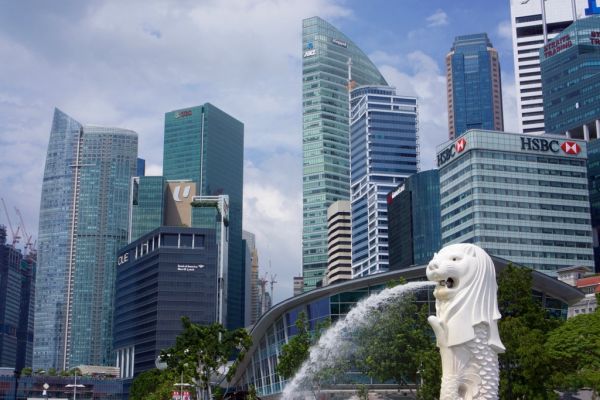
The recent Singapore central bank policy pause has caught many international market observers by surprise, sparking widespread discussion about the future trajectory of global trade and monetary strategy. Unlike most foreign monetary authorities that use interest rates as their primary policy lever, Singapore manages its economy through foreign exchange mechanisms. By adjusting the exchange rate slope, width, and level of its currency basket, the authority controls domestic liquidity and import costs. The decision to hold these parameters steady indicates a deliberate shift toward monitoring existing economic conditions rather than tightening further.
Economic analysts suggest that this neutral posture reflects a balancing act between taming residual inflation and supporting broader domestic growth. Recent reports indicate that price pressures within the island nation have begun to moderate, giving policymakers room to pause recent appreciation efforts. For international investors and regional businesses, understanding this stance is critical, as stable exchange rates offer predictability in cross-border transactions and cross-currency investments. Please remember that this commentary provides general information and does not constitute individual financial advice.
Why the Singapore Central Bank Policy Pause Matters to Global Markets
As a global trade hub, Singapore often serves as an early indicator for international commerce trends and regional financial health. A shift in its currency strategy sends immediate signals across Southeast Asia and the wider global financial ecosystem. When the local authority chooses to keep its currency settings unchanged, it signals confidence that current monetary settings are sufficiently restrictive to bring living costs under control without triggering a sharp downturn in economic output.
Furthermore, this holding stance highlights the divergence in global monetary policy, where different regions are grappling with unique domestic pressures. While some economies continue to adjust interest rates aggressively, others are finding that earlier intervention measures are now taking full effect. Importers, exporters, and treasury departments operating across Asia must pay close attention to these subtle policy recalibrations to manage their foreign exchange risk effectively.
Implications for Inflation and Regional Business
A key driver behind holding monetary settings steady is the gradual cooling of imported inflation. Because the country imports a vast majority of its food and energy needs, a stronger domestic currency previously helped cushion local consumers from international price spikes. Now that global commodity markets have stabilized relative to previous highs, the necessity for continuous currency strengthening has diminished according to industry experts.
Businesses operating in the region can take this decision as a sign of temporary exchange rate stability. Stable currency corridors allow corporate treasurers to plan long-term capital investments with greater certainty. Moving forward, policymakers will likely remain data-dependent, evaluating labor market trends, GDP expansion figures, and global trade volumes before deciding whether to resume tightening or maintain the current neutral trajectory into the next quarter.
Image: Openverse (public domain)
