


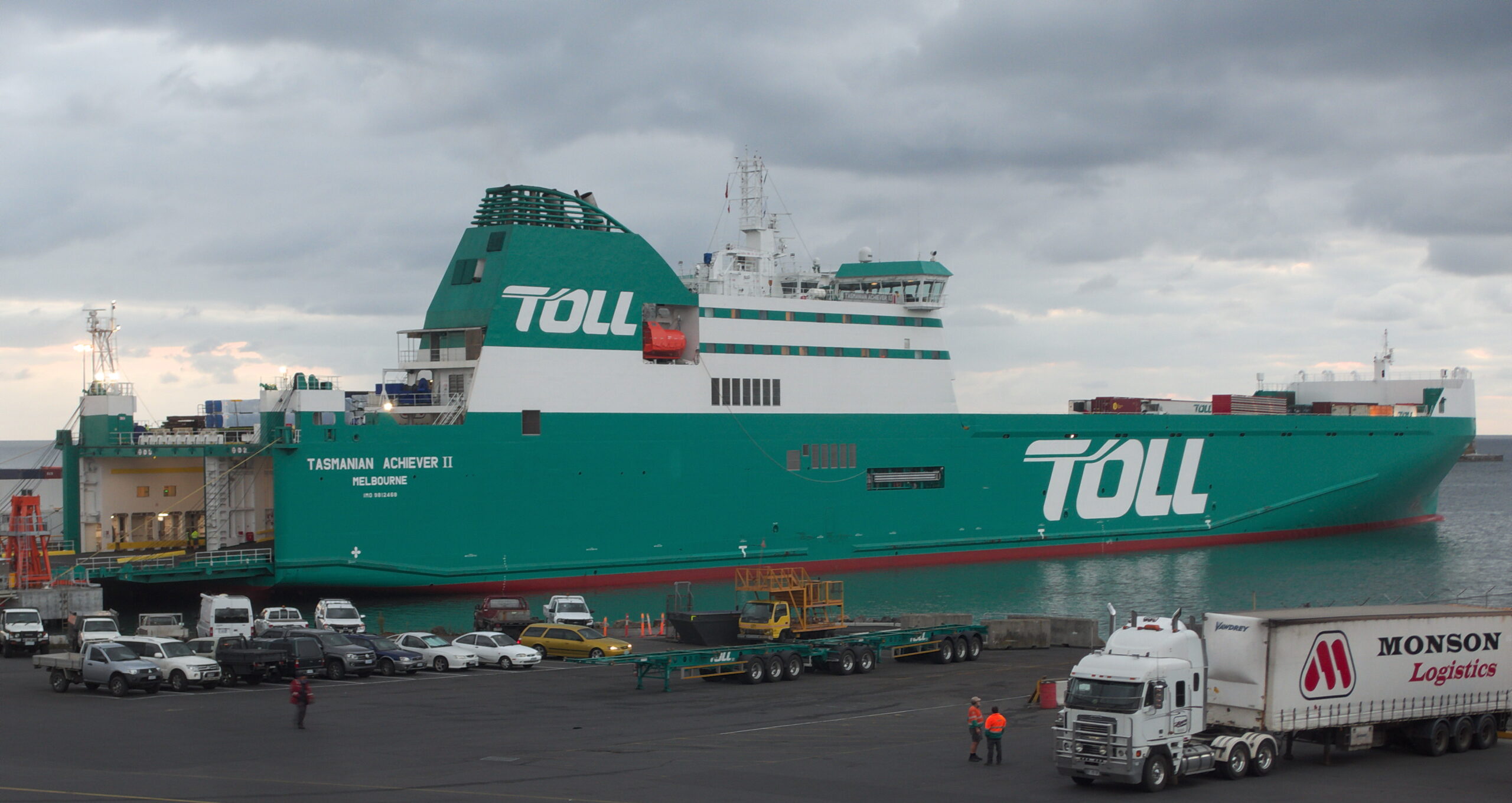
Understanding the us-tariff-impact is essential for businesses navigating the complex landscape of international trade. When major economies impose import duties, the immediate assumption is that domestic consumers will bear the entire financial burden through higher retail prices. However, recent economic research suggests a far more nuanced reality, where international sellers frequently absorb a significant portion of these policy-driven costs to maintain their market share in competitive arenas.
For international exporters, the decision to lower profit margins rather than pass the full cost of duties onto buyers is a strategic necessity. When faced with sudden trade barriers, foreign companies often adjust their wholesale pricing structures to keep their products attractive. This mechanism distributes the fiscal shock across the global supply chain, meaning that the domestic market does not immediately feel the full inflationary pressure of new trade policies.
Analyzing the Broad US-Tariff-Impact
Economic analyses of recent trade cycles indicate that foreign suppliers have absorbed nearly half of the cost increases associated with import duties. By squeezing their own profit margins, these international firms prevent a dramatic drop in demand for their goods. This pattern reveals that trade policies do not operate in a vacuum, as global market forces and corporate pricing strategies actively work to cushion the domestic consumer from sudden price spikes.
However, this absorption strategy has its limits. While large multinational corporations may have the capital reserves to tolerate lower margins for a period, smaller exporters may find this approach unsustainable over the longer term. If trade barriers remain in place permanently, businesses may eventually be forced to relocate their manufacturing hubs or pass the accumulated costs down to the end consumer, altering global trade routes permanently.
Strategic Decisions for Global Investors
For businesses and investors tracking these macroeconomic shifts, understanding how corporate entities manage these policy changes is vital. Portfolio exposure to import-dependent sectors requires careful evaluation of which companies possess the pricing power to withstand policy shifts. Please note that this analysis is intended for general informational purposes only and does not constitute formal financial advice.
Ultimately, the ongoing us-tariff-impact highlights the interconnectedness of modern global commerce. While political decisions can shift the rules of trade overnight, the commercial realities of supply, demand, and corporate margin management dictate how those policies actually play out in the global marketplace. As trade discussions continue to evolve, the ability of foreign exporters to absorb these shocks will remain a critical variable in global economic stability.
Image: Openverse (public domain)
