


4 Wishes for My Dad to Have a Fun and Happy Retirement keeps showing up in conversations for a reason. The story below covers what is actually happening, where the trade-offs sit, and what a careful reader should take from it.
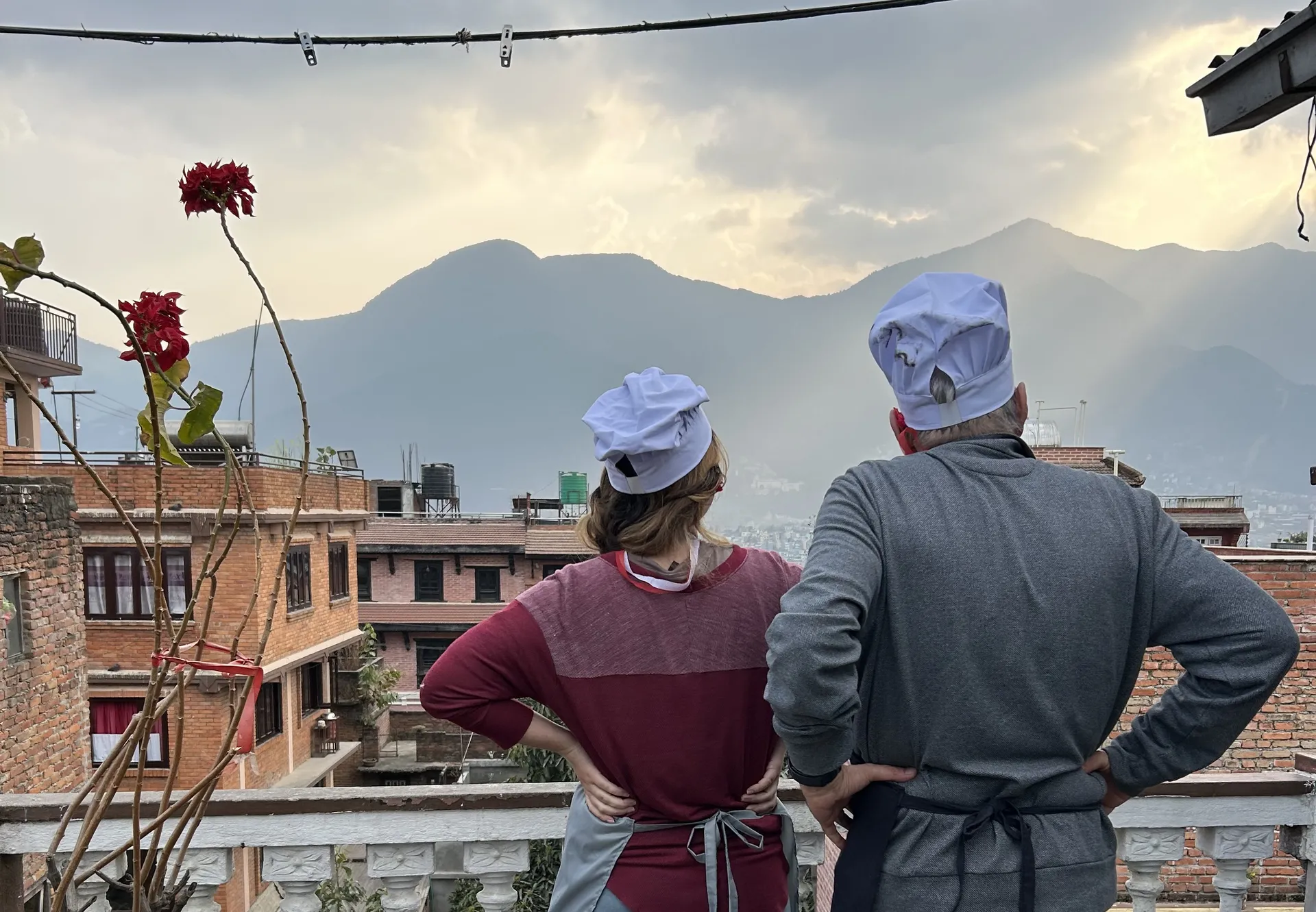
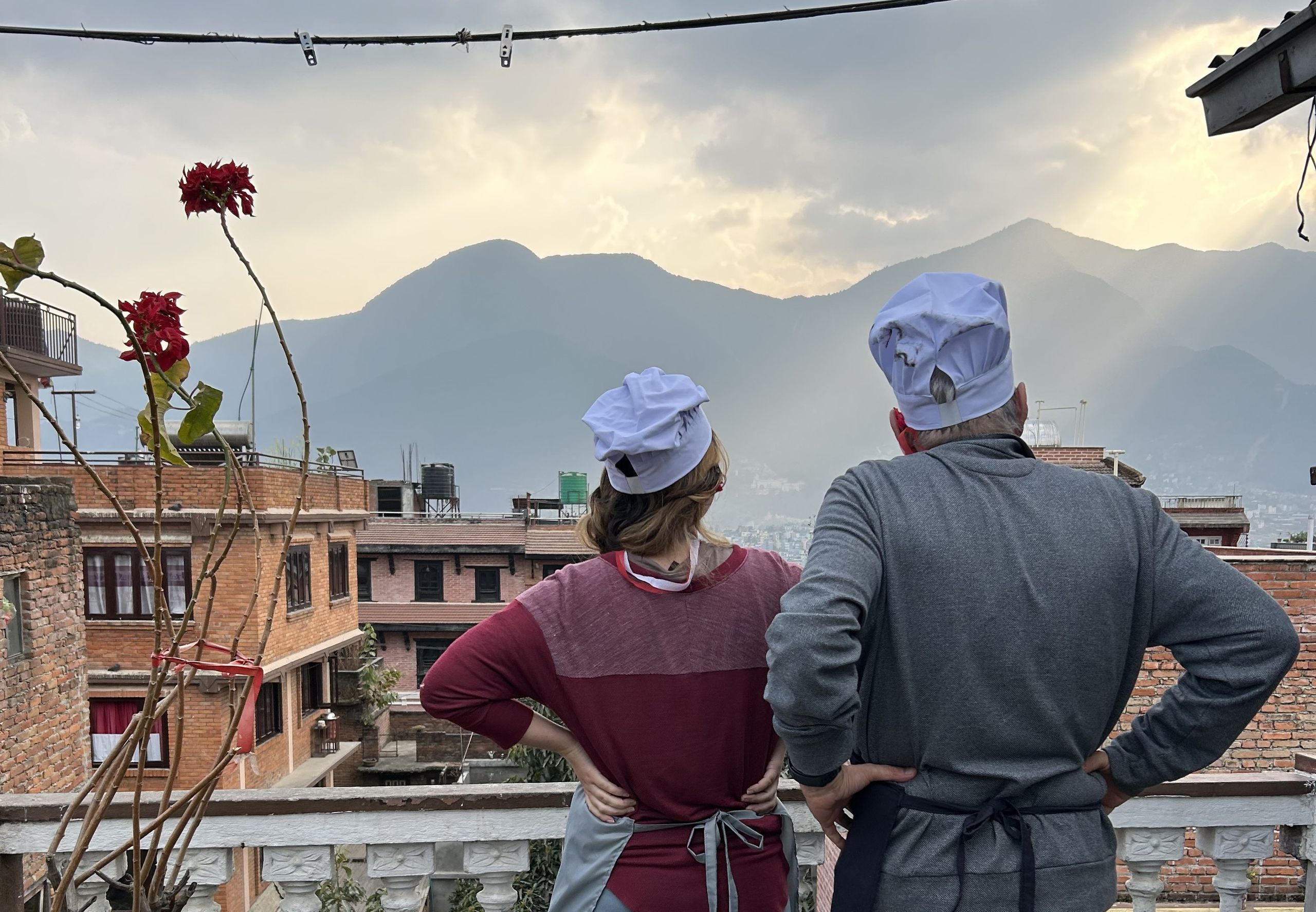
The author and her father at a cooking class in Kathmandu.
In his toast at my older sister’s wedding, my dad shared that his father-in-law had told him to wait to retire until all his daughters were married. So you can imagine my surprise when, two years after my own wedding, my father was still making his long commute to work.
It’s understandable why he would be slow to retire. My dad has been working since he was a teenager at a Brooklyn diner. His corporate career began when he was waiting tables after college: A regular gave him an internship. Later, when a mentor suggested he go to business school, he chose to take classes on nights and weekends rather than hit pause on his career for full-time grad school.
Sign up for Kiplinger’s Free Newsletters
Profit and prosper with the best of expert advice on investing, taxes, retirement, personal finance and more – straight to your e-mail.
Profit and prosper with the best of expert advice – straight to your e-mail.
But right around when he hit the 3-million-mile frequent-flyer status after decades of business travel, I (admittedly) began pestering him about taking it down a notch. This past year, he agreed and decided to retire from his job.
My dad has built a career – and thereby a life for my family – on hard work, efficiency and a certain level of reserve. Now, I’d like to see him spend some time enjoying laziness, excess and frivolity. As my father retires from his job, here are four wishes I have for him.
1. Enjoy some unproductive hobbies
Research shows that having hobbies after age 65 can help stave off depressive symptoms while raising health, happiness and life satisfaction. Some people are lifelong hobbyists who craft and race and build every weekend, but not all of us are so inclined. Meanwhile, more and more people in my generation are reporting that our parents seem to be addicted to screens, whether it’s a phone, tablet or TV. While my father, thankfully, has never been one for social media, I want him to avoid a retirement of doomscrolling. Many of my wishes here will help with that.
Without hobbies that keep your hands busy, you’re more likely to pick up the phone. So, all told, I’d like him to pick up a new hobby – and, as he’s someone who spent his life being productive, I want the hobby to be unproductive.

The author’s father fly fishing on the Madison River in Montana.
This idea came up because my mother suggested he use his time to write a book about business lessons. Yes, he has plenty to share, but I’d rather he do something purely for himself, without having to think about the outcome of his work.
What’s an unproductive hobby? Think knitting with no intention of selling what you make, running without time or distance goals, practicing an instrument you’ll never professionally perform, stargazing or birdwatching for the nature lovers, and going to baseball games for the sports lovers.
While my dad was working full-time, he was still able to go to hockey and baseball games, but he rarely had time for one hobby he enjoys: Fishing. Where he lives, rules largely dictate that fishing is catch-and-release, so when you finish a day on the river, all you get out of it is memories of a day spent on the river. (And, yes, I know, maybe some dazed fish — but if you’re not that good at fishing, you won’t exactly disrupt the ecosystem.) It doesn’t get much more unproductive than that.
2. Travel, slower

The author, cold in the center, with her parents on vacation in Alaska.
My father’s career sent him all over the world, from Paris and Milan to Mexico and Canada to the Middle East and India, and at least one far-flung trip my husband described as “straight out of Nosferatu.” As is typical of business travel, this wasn’t always glamorous. More often than not, it meant jumping from one city to another within 48 hours or spending most of your time in offices, rather than getting to know the city you’re in.
Because of that, while my parents want to use their time in retirement to travel, I want them to slow it down. The trend of “slow travel” can be great for retirees. Rather than jumping from one city to another, you take the time to sit and enjoy one place for a longer period. That way, you really get to relax and embrace the local culture, instead of worrying about fitting in all the activities you planned to do and then rushing to the next destination.
An added benefit for people hitting retirement is that slow travel is clearly different from work travel. This different rhythm can shake up your mindset and be a good way to embrace the fact that you’re now retired.
3. Stay active (no pickleball required)
Just like hobbies, we know that staying physically active is key to a long and happy retirement.
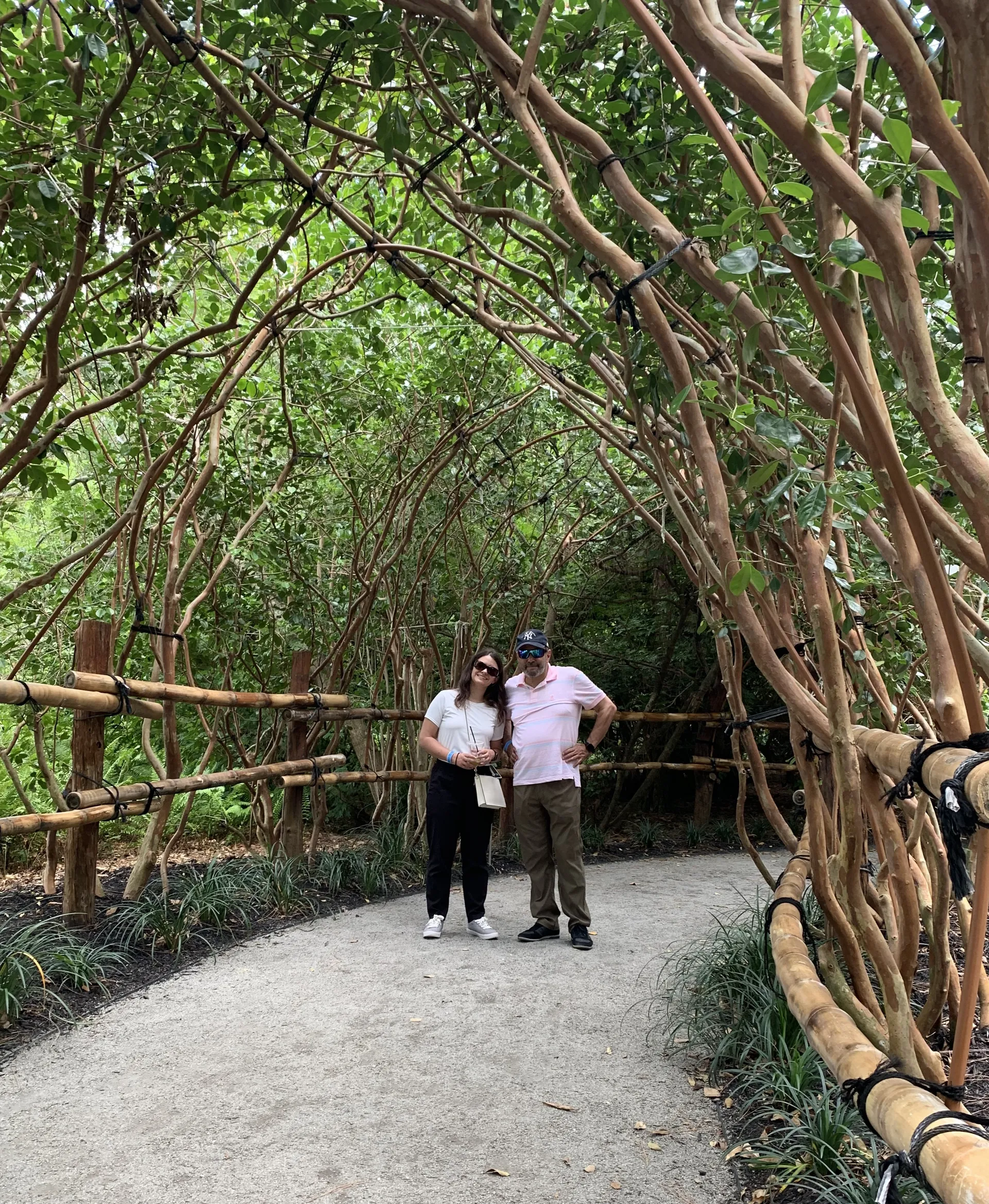
The author and her father at a garden park.
(Image credit: Alexandra Svokos)
Now, I don’t expect that my father will suddenly become a triathlete or king of his condo building’s pickleball court, but I hope he will continue activities he enjoys, like walking and racquetball. With more time in retirement, you could even kick that up a notch from walking around the neighborhood to walking around a local nature park.
An additional benefit is if the activities are inherently social, like, well, pickleball. But it could also be as simple as going to a gym, where you’re going to be around other people. Research has shown that “weak ties,” where you see someone regularly, even if you would never think to call them a friend, are psychologically beneficial (remember how bad it felt during the pandemic when we didn’t see anyone?).
If you’re someone who doesn’t want to go to yoga, you could also use reverse psychology to encourage physical activity. You don’t want to lift weights — OK, how about volunteering with a food pantry? You don’t want to go on walks — how about joining a group to clean up a local street? Plus, there are activities you’d do regularly anyway: Gardening is inherently physical (leaning down, kneeling and standing, using your hands), and so is cleaning a house and dancing with the grandkids.
The goal, though, is to do something consistently. If you weren’t already a physically active person before you retired, you can’t expect that just going about your daily life is going to be enough physical activity; you need to have habitual forms of activity, like a weekly volunteering session on top of daily walks to the coffee shop and a 15-minute dance break every Tuesday after picking the grandkids up from ballet.
4. Find some intellectual fulfillment
As a stubborn person, this last wish is a little tough for me to write. As much as I want my dad to stop working so he can learn new skills like “hanging out,” I also acknowledge that he has gotten a lot of joy out of working, and it can be hard to drop that cold turkey. That’s why, for example, we’ve written about topics like side gigs for retirees and phased retirements.
So, if opportunities come up for him to — gasp — go back to work, I won’t stand in his way. My wish, though, is that he takes opportunities where he can maintain some amount of control and boundaries, as in being able to set his own hours and work remotely when he wants to. Part-time or project-based work can be ideal for this.
But… my stubborn side will say, there are other ways to be intellectually stimulated besides work. You can offer your skillset as a volunteer, tutor or mentor younger people, join a book club at the library or, you know, just get really into Sudoku. Learning or cultivating new skills is great in retirement, like starting to draw and paint or learning a new language.
The goal, as I see it, is to find the right balance. When you retire from a job, you suddenly have the world open in front of you, which is both exciting and overwhelming. It can be easy to fall back into your old daily life working between a computer and boardrooms for at least a third of the day. Or, you can take advantage of the time and resources you’ve gifted yourself with your years of hard work. Ultimately, as long as my dad is happy and healthy, I’m happy for him — I just hope he passes the airline’s 4-million-mile mark while doodling in a sketchbook on vacation, not while checking emails on a work trip.
