


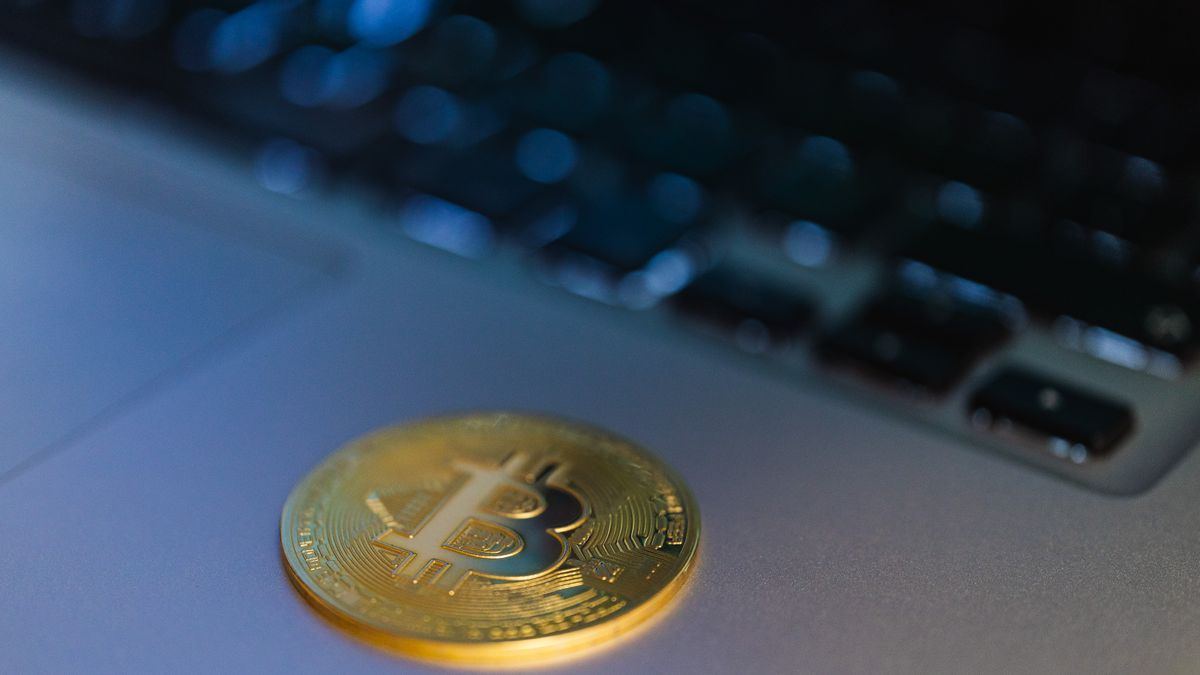
The UAE has switched on its first fully regulated crypto payment gateway, a quiet but meaningful step in the country’s push to become a digital finance hub. Through a partnership between a local fintech and a digital asset infrastructure provider, merchants in the Emirates can now accept crypto for payment under a clear regulatory licence rather than in a grey zone. Around the same time, a major global exchange enabled direct deposits and withdrawals in dirhams for eligible UAE users.
What a regulated crypto payment gateway actually does
A payment gateway is the plumbing that moves money from a customer to a business. A regulated crypto payment gateway does the same job, except it lets a shopper pay in digital assets while the merchant can receive value in a form they can use. The word that matters here is regulated. It means the service operates under rules set by the authorities, with checks on identity, record keeping, and consumer protection built in, rather than relying on trust alone.
Why the timing matters
The UAE has spent the past few years courting fintech, and investment in the sector reached roughly 2.2 billion dollars by the middle of 2026. New corporate venture funds aimed at fintech, artificial intelligence, and cybersecurity have launched, and more banks are rolling out banking-as-a-service products. A licensed crypto gateway fits neatly into that picture, giving businesses a compliant way to tap demand from crypto-holding customers and tourists.
What it means for businesses
For a shop, restaurant, or online store, the appeal is reach and speed. Accepting digital assets can attract a new pool of customers, and settlement can be faster than some traditional cross-border methods. The regulatory wrapper also lowers the legal uncertainty that kept many cautious owners on the sidelines. The trade-offs are real too, including price volatility on the asset side and fees, so most businesses will convert to local currency quickly rather than hold crypto on their books.
What it means for shoppers
For consumers, the change is mostly about convenience and confidence. Paying with digital assets at a licensed merchant feels closer to a normal card tap, and the regulatory oversight offers more recourse if something goes wrong. Direct dirham deposits on a major exchange also make it easier to move between local currency and crypto without routing through a third country.
The bigger picture
One regulated crypto payment gateway will not transform daily spending overnight. What it signals is more important: the UAE is building rails that treat digital assets as part of the mainstream financial system rather than a side experiment. For the wider Gulf and emerging markets watching closely, it is a template for how to welcome crypto commerce without abandoning oversight. This article is for general information and is not financial advice.
Image: Pexels (free to use)
