


UPI international is no longer a future promise. India’s Unified Payments Interface, the free instant-payment system that already runs much of the country’s daily spending, is now accepted in nine countries. The latest addition came on 3 June 2026, when India’s NPCI enabled cross-border QR payments between India and Cambodia, linking UPI to Cambodia’s Bakong KHQR network.
Where UPI international works now
UPI is now live in nine countries, including the United Arab Emirates, Singapore, and Cambodia, with more than 30 additional markets reported to be in discussion. The scale behind it is enormous. UPI surpassed 500 million unique users in India by early 2026 and processes more than 21 billion transactions a month. In February 2026, India and Israel agreed to extend UPI to operate in Israel as well.
Why the Gulf cares
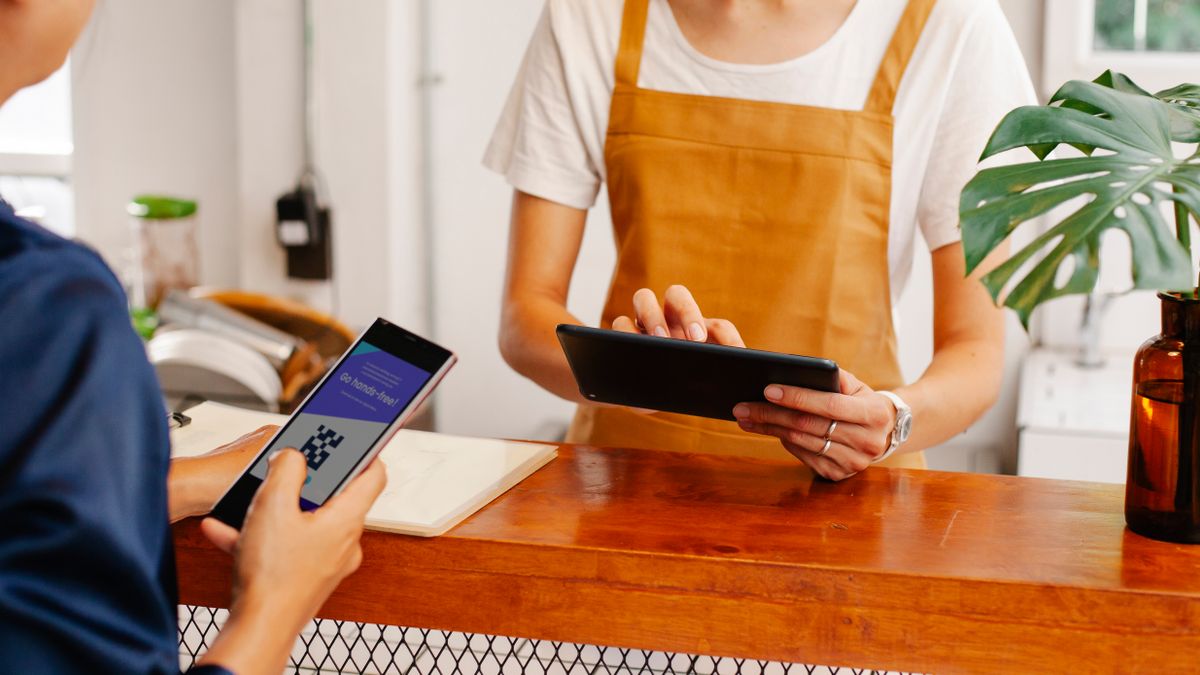
For the large Indian community living and working in the UAE, the practical benefit is direct. Acceptance in the Emirates means a traveller or resident can pay using the same app they use at home, scanning a QR code rather than carrying cash or paying card-conversion fees. As acceptance widens, that convenience extends to shopping, tourism, and everyday spending across borders.
The bigger shift in cross-border payments
UPI’s expansion is part of a wider move toward instant, low-cost international payments. India is also reported to be preparing a rupee-backed digital token, and Project Nexus, a multilateral network designed to connect national instant-payment systems, is expected to go live around 2026. Together, these efforts point to a future where sending or spending money across borders feels as quick and cheap as a local transfer.
What it means for you
- Travellers save on fees. Paying through UPI where it is accepted can avoid currency-conversion charges that cards often add.
- Merchants gain customers. Shops in accepting countries can serve millions of UPI users without new hardware, using QR codes.
- The model is spreading. As more countries link their systems, expect the same instant, low-cost experience on more routes.
India built one of the world’s most used payment systems at home. In 2026, it is exporting that model, and the Gulf is one of the first regions to feel the benefit.
