

Close Menu
Finsider

    Subscribe to Updates

    Get the latest creative news from FooBar about art, design and business.

    What's Hot

    Why the Bond Market Is Signaling Rising Risks for Global Investors

    August 8, 2026

    Why Middle Class Living is Out of Reach for Average Earners

    August 7, 2026

    Navigating the Colombia fintech boom in a Changing Policy Landscape

    August 7, 2026
    Facebook X (Twitter) Instagram
    Trending
    • Why the Bond Market Is Signaling Rising Risks for Global Investors
    • Why Middle Class Living is Out of Reach for Average Earners
    • Navigating the Colombia fintech boom in a Changing Policy Landscape
    • Does Startup Ecosystem Success Require Regional Population Growth?
    • How to Track the Current Price of Gold for Smart Investing
    • Why the US Global FinTech Market Share Remains Dominant
    • How to Analyze US Market Indicators for Smarter Investing
    • Forex Expo Dubai 2026 Unveils Gold Lucky Draw With 150 Grams of 24K Gold to Be Won
    Facebook X (Twitter) Instagram Pinterest Vimeo
    Finsider
    • Markets & Ecomony
    • Tech & Innovation
    • Money & Wealth
    • Business & Startups
    • Visa & Residency
    Finsider
    Home»Tech & Innovation»Stablecoin Remittances Explained: How Sending Money Home Could Get 90% Cheaper
    Tech & Innovation

    Stablecoin Remittances Explained: How Sending Money Home Could Get 90% Cheaper

    FinsiderBy FinsiderJune 13, 2026No Comments3 Mins Read
    Share Facebook Twitter Pinterest LinkedIn Tumblr Reddit Telegram Email
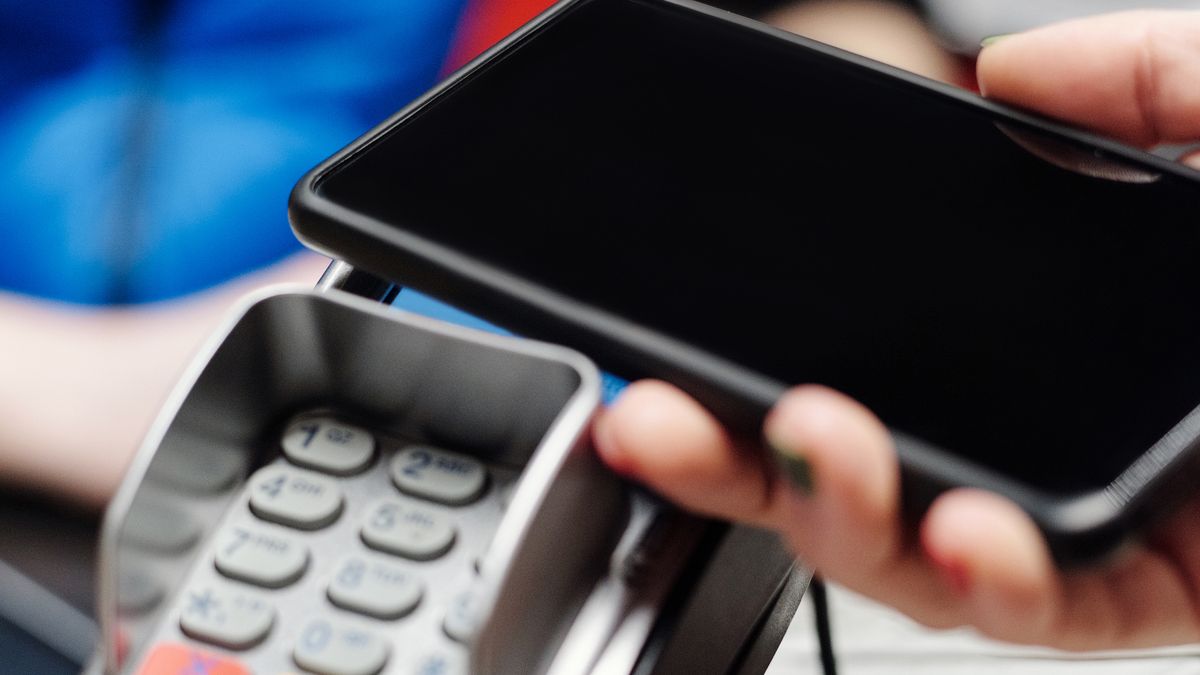
    Stablecoin remittances, a person making a digital payment on a smartphone, cheaper money transfers
    Stablecoin remittances aim to make cross-border transfers faster and cheaper. Image: Pexels (free to use)
    Share
    Facebook Twitter LinkedIn Pinterest Email

    Stablecoin remittances are moving from a niche idea to a real option for sending money across borders. A stablecoin is a digital token designed to hold a steady value, usually pegged one to one with the US dollar. Because it moves over blockchain networks rather than the traditional banking chain, it can settle in minutes and, by some industry estimates, cut transfer costs by up to 90 percent.

    How stablecoin remittances work

    In a traditional transfer, your money passes through several banks, each taking a fee and adding a delay. A transfer from Lagos to Nairobi, for example, can take three to five business days and cost the sender six to eight percent. A stablecoin transfer instead converts your cash into a dollar-pegged token, sends it across a network almost instantly, and converts it back into local currency at the other end. Fewer middlemen means lower cost and faster delivery.

    Why 2026 is a turning point

    The infrastructure is being built quickly. Visa has partnered with African payments provider Yellow Card to launch stablecoin transactions across the continent, with further rollouts planned through 2026, according to CoinDesk. Fasset, a stablecoin-powered neobank, raised $51 million in May 2026 and reports moving money across more than 50 payment corridors in Asia, Africa, and the Middle East, with over $32 billion in annualised volume. The UAE to Pakistan route, one of the largest remittance corridors in the region at around $24 billion a year, is exactly the kind of high-volume channel these services are targeting.

    What to know before you use one

    • Stick to regulated providers. The space is new and rules vary by country. Use licensed platforms operating within local regulations.
    • Understand the on and off ramps. The real cost is in converting cash to a token and back again. Compare those rates, not just the network fee.
    • Check delivery options. The recipient needs a clear, simple way to receive local currency, ideally to a bank account or mobile wallet they already use.
    • Keep records. As with any transfer, save confirmations in case you need to trace a payment.

    The bigger picture

    For the millions of workers in the Gulf supporting families in Pakistan, Bangladesh, and across Africa, the promise is straightforward: more of every dollar sent reaches home. The technology is still maturing and regulation is catching up, but the direction of travel in 2026 is clear. Cross-border money is getting faster and cheaper, and stablecoins are a big reason why.

    This article is for general information and is not financial advice. Digital asset services carry their own risks. Use regulated providers and review terms before sending money.

    Share. Facebook Twitter Pinterest LinkedIn Tumblr Email
    Previous ArticleDigital Gold Investing From Dh10: How UAE Residents Are Building a Savings Habit
    Next Article UAE Golden Visa 2026: Who Now Qualifies Under the Expanded Rules
    Finsider
    • Website

    Related Posts

    Tech & Innovation

    Why the US Global FinTech Market Share Remains Dominant

    August 7, 2026
    Tech & Innovation

    Are Digital Business Cards Worth It? Cost and Benefit Analysis

    August 4, 2026
    Tech & Innovation

    Mastering AI Outreach: How to Use ChatGPT to Write Proposals and Client Emails

    July 30, 2026
    Add A Comment

    Comments are closed.

    Top Posts

    5 Ways Leaders Can Communicate Power

    July 18, 2025

    How to build a Stocks and Shares ISA with a 6% dividend yield

    July 19, 2025

    Why the Bond Market Is Signaling Rising Risks for Global Investors

    August 8, 2026
    Stay In Touch
    • Facebook
    • YouTube
    • TikTok
    • WhatsApp
    • Twitter
    • Instagram
    Latest Reviews

    Subscribe to Updates

    Get the latest tech news from FooBar about tech, design and biz.

    Most Popular

    What is Mistral AI? Everything to know about the OpenAI competitor

    July 18, 2025

    3 Ways to Mitigate Executive Turnover

    July 18, 2025

    5 Ways Leaders Can Communicate Power

    July 18, 2025
    news

    Why the Bond Market Is Signaling Rising Risks for Global Investors

    August 8, 2026

    Why Middle Class Living is Out of Reach for Average Earners

    August 7, 2026

    Navigating the Colombia fintech boom in a Changing Policy Landscape

    August 7, 2026

    Subscribe to Updates

    Get the latest creative news from FooBar about art, design and business.

    © 2020 - 2026 The Finsider . Powered by LINC GLOBAL Inc.
    • Contact us
    • Guest Post Policy
    • Privacy Policy
    • Terms of Service

    Type above and press Enter to search. Press Esc to cancel.