


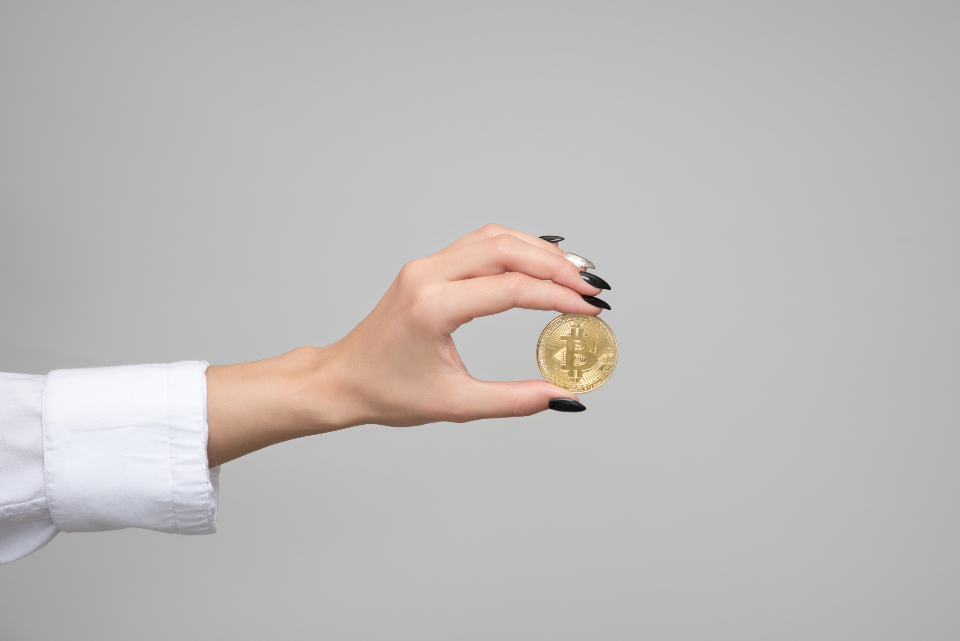
Quick answer: Learning how to buy bitcoin safely begins with selecting a cryptocurrency exchange registered with official financial regulators. You should verify your identity, activate app-based two-factor authentication, and purchase your digital coins using low-fee payment options like direct bank transfers. For maximum long-term security, move your coins off the exchange into a cold storage hardware wallet and secure your backup seed phrase offline.
How to Buy Bitcoin Safely on Regulated Exchanges
Your initial steps in crypto start by choosing a licensed cryptocurrency exchange. Regulated trading platforms must follow strict legal standards to protect user funds and stop financial crime. In the United States, legitimate platforms register as money services businesses with federal agencies like FinCEN. In the United Kingdom, exchanges register with the Financial Conduct Authority. Working with regulated entities ensures that customer funds are handled transparently under government oversight.
When you create a platform account, you must complete identity verification, known as Know Your Customer or KYC. This security step requires uploading an official government ID card and submitting proof of residence. While uploading personal documents takes a few minutes, it prevents criminal account creation and fraud. You should always avoid unlicensed peer to peer trading websites that skip identity verification because they carry high risks of financial scams.
After your account gets approved, pick an affordable payment method to fund your profile. Connecting your bank account for ACH or wire transfers is usually the cheapest option. Debit and credit cards charge steep convenience fees and can trigger cash-advance penalties from your credit card company. If you are learning how to start investing with little money, avoiding high payment processing fees keeps more of your capital invested in crypto assets.
What Is the Difference Between Custodial and Self-Custody Wallets?
After you complete your purchase, you must decide where to keep your digital currency. Custodial storage means leaving your assets on the exchange platform. While this choice allows for fast trading, relying on a central company leaves your assets vulnerable if the exchange freezes withdrawals or faces legal issues.
Self-custody wallets give you total control over your private digital keys and funds. Software wallets operate as applications on mobile phones or laptops, offering convenient access for smaller daily transactions. Hardware wallets offer maximum protection by keeping your private keys entirely disconnected from the internet, protecting your money from online hackers.
Setting up any self-custody wallet generates a secret recovery seed phrase of 12 to 24 random words. You must write these words down on physical paper and store them in a fireproof location. Never store your seed phrase in a computer file, cloud storage account, or phone photo. Anyone who finds those words can control your entire wallet balance.
| Storage Option | Security Level | Best For | Key Benefit |
|---|---|---|---|
| Exchange Account | Low to Medium | Active daily trading | Simple account setup |
| Software Wallet | Medium | Frequent small transfers | Convenient mobile access |
| Hardware Wallet | High | Long-term safe keeping | Offline hacker protection |
How Do Crypto Fees and Security Features Work?
Understanding crypto platform fee structures prevents unexpected trading costs over time. Centralized exchanges charge maker and taker fees on every transaction. Maker orders add liquidity to the order book and cost less, while taker orders remove liquidity and cost slightly more. Instant purchase features on exchange mobile apps often charge hidden markups above basic spot market rates. Using standard spot trading order books instead of quick-buy buttons saves you money on every order.
Account protection requires active setup from your very first login. You should immediately enable two-factor authentication, known as 2FA, to block unauthorized account access. Always choose an authenticator app over SMS text message verification. Cybercriminals can execute SIM-swapping attacks to intercept text messages sent to your mobile phone. Authenticator apps generate login codes locally on your smartphone, ensuring your account stays safe.
Many traders keep cash reserves in dollar-backed digital tokens between crypto purchases to avoid market volatility. You can review the latest guidance on new stablecoin regulation rules to understand how federal oversight protects digital cash alternatives. Staying informed on legal developments helps you protect your capital effectively.
Common Crypto Scams and How to Avoid Them
Digital asset markets attract online scammers who target new buyers. Learning to spot red flags early keeps your digital property safe from common fraud tactics. Watch out for these widespread threats:
- Phishing websites: Fake sites mirror popular exchange login pages to harvest passwords. Double check domain names in your web browser before typing any credentials.
- Imposter customer support: Scammers create fake social media profiles on Telegram, Discord, and X to offer fake technical help. Real support teams will never message you first or ask for private keys.
- Guaranteed investment schemes: Platforms promising fixed daily returns are fraudulent schemes. Real financial markets fluctuate, and claims of risk-free gains indicate a Ponzi scheme.
- Fake asset recovery services: Fraudulent recovery agents promise to retrieve lost crypto for an upfront fee. These services are secondary scams meant to steal more money.
Is It Safe to Keep Bitcoin on an Exchange Long-Term?
Leaving large amounts of digital currency on a centralized platform exposes your funds to unnecessary counterparty risk. Centralized exchanges can encounter regulatory halts, technical downtime, or insolvency. A popular phrase across the crypto community states: not your keys, not your coins. Holding assets on an exchange means trusting a middleman with your personal wealth.
Moving your digital assets to a private hardware wallet removes reliance on third parties. To execute a safe withdrawal, generate a new receive address inside your hardware wallet app. Copy the address carefully and paste it into the exchange withdrawal field. Always send a small test transaction first to confirm the address details are accurate. Once the test transfer completes successfully, move your remaining balance.
Frequently asked questions
Can I buy a fraction of a Bitcoin?
Yes, you can buy small fractions of a Bitcoin. Each Bitcoin divides into 100 million smaller units called Satoshis, allowing you to invest any dollar amount you choose.
What is a recovery seed phrase?
A recovery seed phrase is a sequence of 12 to 24 words generated by your crypto wallet during setup. It acts as your master backup key to restore your wallet if your physical device gets lost or damaged.
Are cryptocurrency transactions reversible?
No, blockchain transactions are permanent once confirmed on the network. Banks, exchanges, or customer support teams cannot reverse or cancel a crypto transfer.
What is the safest way to store Bitcoin long-term?
The safest way to store Bitcoin long-term is in a cold storage hardware wallet. Keeping your private keys offline prevents hackers from accessing your digital assets.
This article provides general information, not financial, legal, or immigration advice.
