


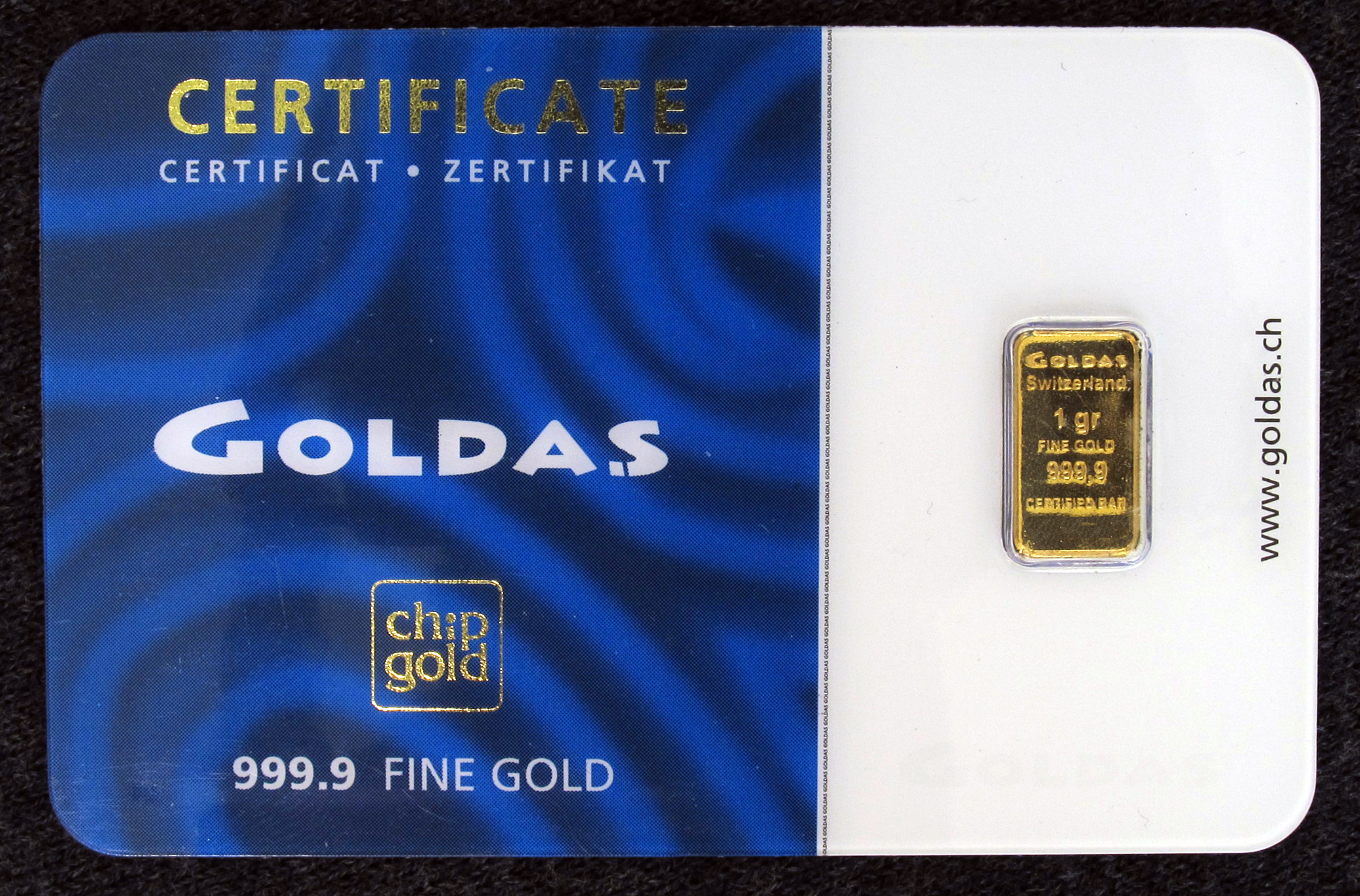
Investors and savers around the world constantly monitor the gold price today to gauge the health of the global economy and make informed decisions about their wealth. Precious metals have served as a reliable store of value for thousands of years, offering a safe haven during times of geopolitical tension and financial instability. When currency values fluctuate or stock markets experience volatility, capital frequently flows back into tangible assets like gold, driving up its market value.
Understanding what influences the gold price today requires a close look at central bank policies, particularly those of the United States Federal Reserve and other major financial institutions. When central banks lower interest rates, holding non-yielding assets like gold becomes far more attractive to investors. Conversely, when interest rates rise, investors often shift their capital to interest-bearing assets, which can put downward pressure on precious metals. This delicate balance means that even minor policy shifts can trigger immediate movements in global commodity markets.
Key Drivers of the Gold Price Today
Another critical factor affecting the gold price today is the strength of the United States dollar. Because gold is globally priced and traded in dollars, there is a historical inverse relationship between the two. When the dollar weakens against other major currencies, gold becomes cheaper for buyers using foreign currencies, which typically boosts global demand and pushes prices higher. On the other hand, a strengthening dollar can make gold relatively more expensive, dampening demand from international buyers.
Inflation also plays a massive role in shaping the trajectory of precious metals. When the cost of living rises and the purchasing power of paper currency declines, investors turn to physical assets to preserve their capital. Gold is widely regarded as an ultimate hedge against inflation, as its purchasing power has remained remarkably stable over long historical horizons. While paper currencies can be printed in unlimited quantities, the physical supply of gold is strictly limited by mining constraints, ensuring its long-term scarcity.
Evaluating Gold as a Personal Wealth Asset
For individuals looking to diversify their portfolios, physical gold, exchange-traded funds, and mining equities offer various ways to gain exposure to this asset class. However, market conditions can shift rapidly based on unexpected economic data, geopolitical events, and changing consumer demand in major physical markets like India and China. Please note that this article is intended for general informational purposes only and does not constitute professional financial advice.
Ultimately, keeping an eye on the gold price today helps savers understand broader macroeconomic trends. Whether you are looking to hedge against inflation, protect your wealth from currency devaluation, or simply diversify your investment portfolio, understanding the underlying drivers of the precious metals market is an essential step toward achieving long-term financial security.
Of course, market dynamics can be complex, but staying informed allows you to navigate these shifts with confidence.
Of course, market dynamics can be complex, but staying informed allows you to navigate these shifts with confidence.
Do not hesitate to consult a qualified advisor before making major changes to your asset allocation.
Image: Openverse (public domain)
