


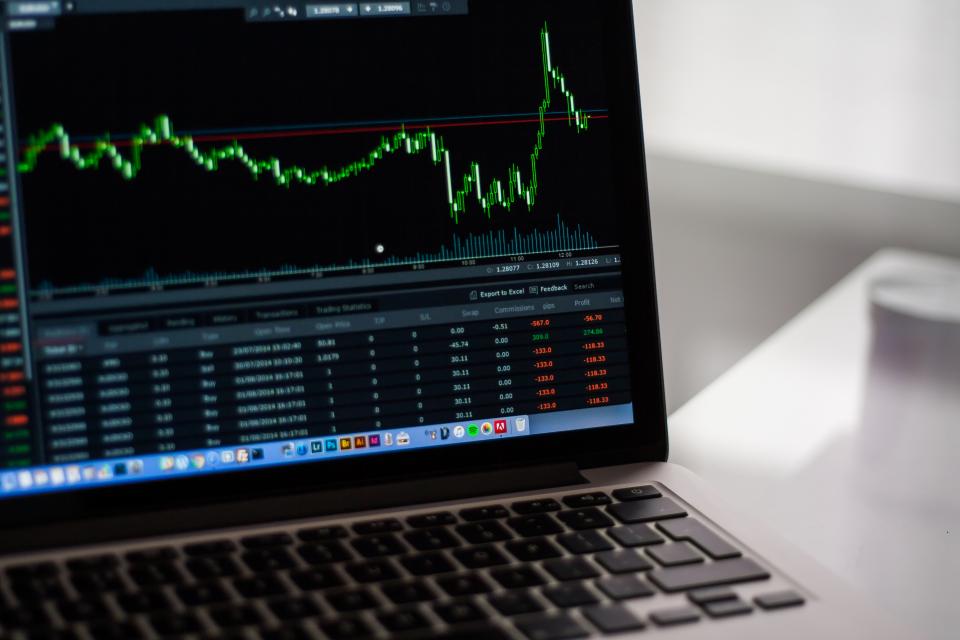
Investors and market analysts are closely watching the precious metals market as a significant gold price surge captures global attention. Over the past month, the value of the yellow metal has climbed by nearly ten percent, driven by shifting macroeconomic indicators and anticipation surrounding upcoming inflation data. This rapid upward movement highlights the enduring appeal of gold during periods of economic transition and highlights how sensitive commodity markets are to monetary policy signals.
The Economic Drivers of the Gold Price Surge
A variety of global factors have converged to fuel the recent gold price surge. Historically, gold acts as a reliable store of value when investors anticipate changes in borrowing costs or currency fluctuations. In recent weeks, market participants have adjusted their portfolios in anticipation of key economic indicators, such as the Producer Price Index. This index measures the average change over time in the selling prices received by domestic producers of goods and services, serving as a critical leading indicator for consumer inflation.
When wholesale inflation data suggests persistent economic pressures, central banks often face difficult decisions regarding interest rates. High interest rates generally increase the opportunity cost of holding non-yielding assets like gold. However, if market observers believe that central banks are nearing the end of their tightening cycles or may even begin cutting rates to support growth, the appeal of precious metals rises dramatically. This delicate balance of expectations is a primary driver behind the sudden price acceleration.
How Global Investors Navigate Commodity Volatility
For individuals looking to protect their wealth, understanding these market dynamics is essential. While a gold price surge can present lucrative opportunities, commodities are subject to sudden shifts in sentiment. Please note that this article is for general information purposes only and does not constitute financial advice. Investors should always conduct thorough research and consider their personal risk tolerance before making any major capital allocations in physical metal or exchange traded funds.
In regions like the Gulf and South Asia, physical gold holds a deep cultural and financial significance, often serving as a primary savings vehicle. When global prices rise, local retail markets usually experience a dual effect of increased valuation for existing holdings and a temporary slowdown in new consumer purchases. Institutional buyers, on the other hand, tend to look at broader macroeconomic trends, using gold as a hedge against potential currency depreciation and systemic banking risks.
Looking Ahead at Market Indicators
As market participants digest the latest wholesale inflation reports, the trajectory of the precious metal will depend heavily on subsequent central bank commentary. If the data indicates that inflationary pressures are cooling faster than anticipated, it could pave the way for a more accommodative monetary policy, which typically supports higher commodity valuations. Conversely, any unexpected spike in producer prices could prompt a short term correction as expectations for interest rate cuts are pushed further into the future.
Ultimately, the sustained momentum in the metals sector demonstrates that gold remains a cornerstone of global financial strategy. Whether driven by speculative trading ahead of major data releases or long term structural shifts in the global economy, the movement of gold prices will continue to serve as a vital barometer for investor sentiment worldwide.
of security in uncertain times.
Image: Openverse (public domain)
