


The United States has initiated a coordinated international effort to curb birth tourism, marking a significant shift in how consular officers and border agents evaluate foreign visitors. This practice, where expectant mothers travel to a foreign country to give birth so their children automatically acquire citizenship, has faced increasing scrutiny from immigration authorities. The new global initiative aims to identify and dismantle organized networks that facilitate these travel arrangements for financial gain.
Understanding the Global Crackdown on Citizenship Travel
For decades, the principle of birthright citizenship has attracted thousands of families seeking better opportunities for their children. However, regulatory bodies have increasingly viewed the commercialization of this practice as a loophole that compromises national security and immigration integrity. To curb birth tourism, authorities are now deploying specialized task forces to monitor suspicious visa applications and track businesses that advertise birth-abroad packages in various source countries.
The coordinated crackdown involves collaboration between domestic law enforcement and international diplomatic missions. Consular officials are receiving enhanced training to spot indicators of travel intended solely for childbirth. This includes analyzing financial records, accommodation bookings, and medical appointments made by applicants in their home nations before they secure their travel documentation.
What the New Restrictions Mean for International Travelers
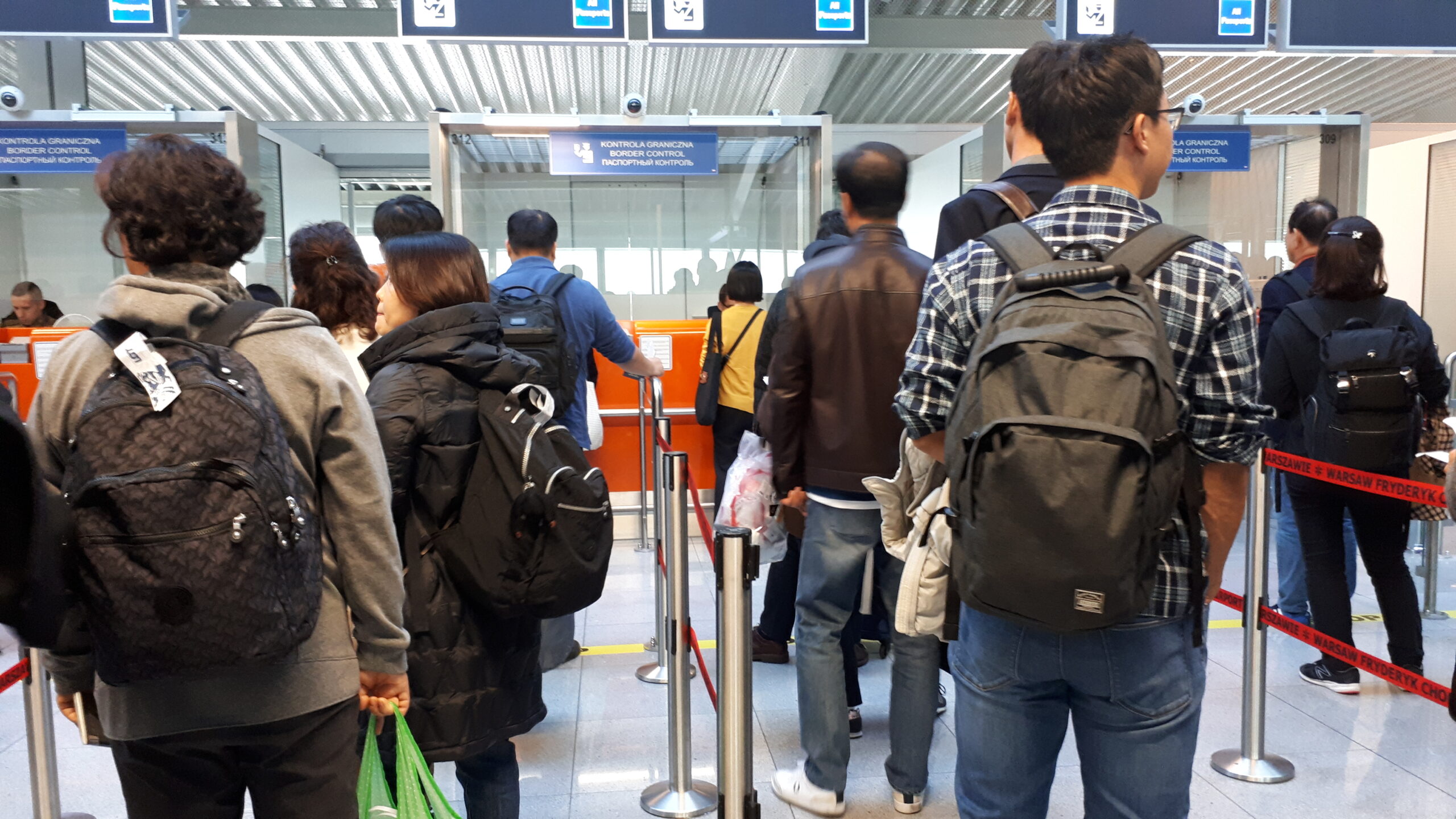
As governments work to curb birth tourism, legitimate travelers may experience more rigorous screening processes during their visa interviews and at ports of entry. Consular officers now have broader discretion to deny visitor visas if they suspect the primary purpose of the trip is to obtain citizenship for a newborn. Travelers who are visibly pregnant or planning medical procedures abroad must be prepared to provide extensive documentation regarding their medical needs and financial capacity.
Please note that this article is for informational purposes only and does not constitute legal or financial advice. Individuals planning international travel for medical reasons should consult qualified immigration professionals to navigate these evolving regulations. The increased scrutiny means that honest disclosure of travel intentions is more critical than ever to avoid long-term entry bans.
The Broader Implications for Global Mobility
The campaign to curb birth tourism is part of a larger global trend toward tighter border controls and more selective immigration policies. As major Western economies face domestic pressure to manage population growth and public resources, birthright citizenship rules are likely to remain under intense political debate. This shift could influence bilateral visa-waiver agreements and affect how citizens from developing nations are perceived by border authorities.
Ultimately, the success of these global measures depends on international cooperation and intelligence sharing. By targeting the agencies and consultants who profit from organizing birth trips, governments hope to reduce the volume of unauthorized citizenship acquisitions while maintaining legitimate pathways for tourism, business, and education.
Image: Openverse (public domain)
