


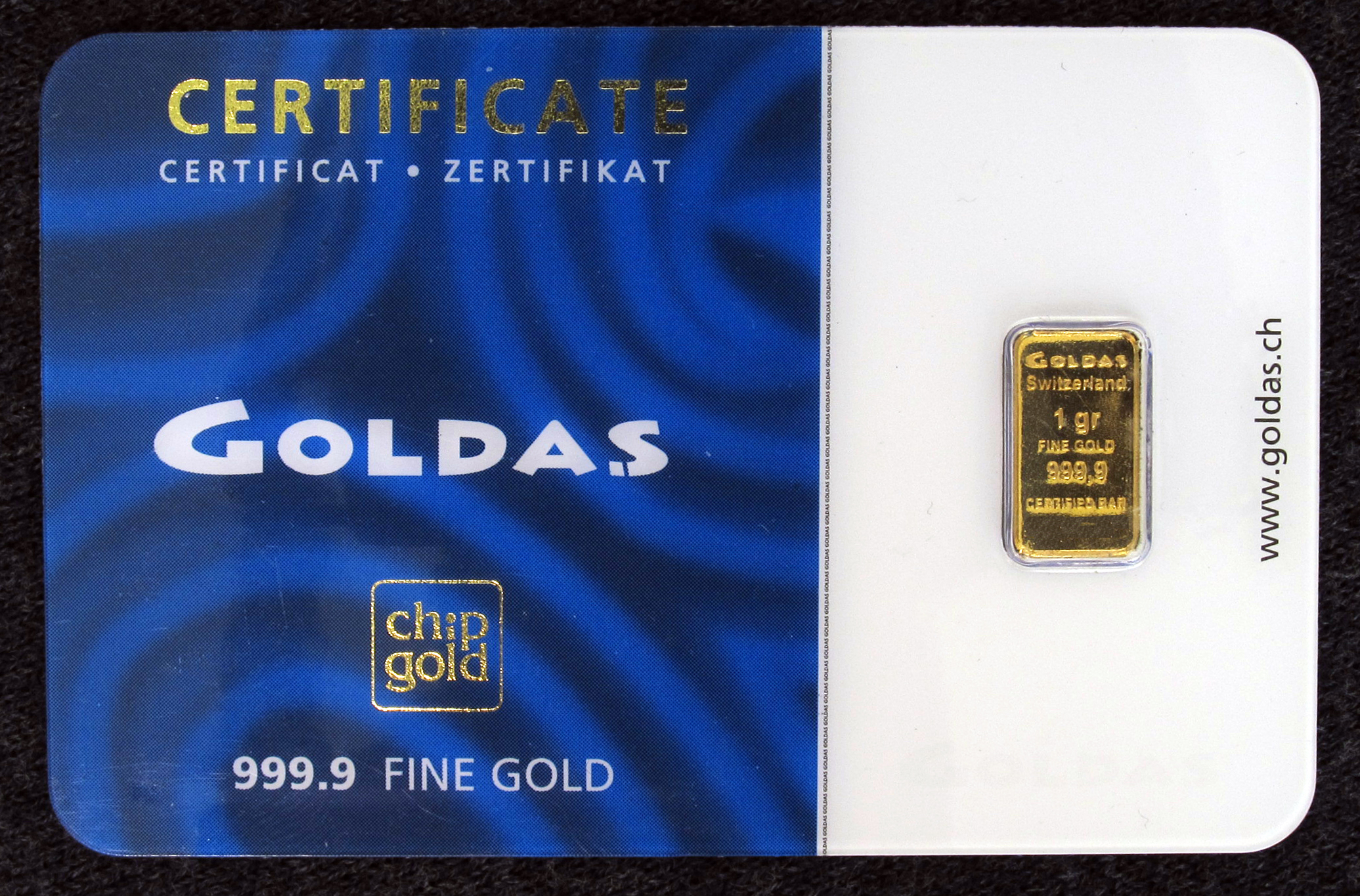
When a major financial institution adjusts its outlook on precious metals, global markets take notice, and the updated goldman-sachs-gold-price-target is no exception. Investors closely monitor these adjustments to gauge the health of the global economy and to rebalance their portfolios. The relationship between central bank policies and precious metals has always been a cornerstone of macroeconomic strategy, and recent shifts have prompted analysts to re-evaluate where bullion is headed in the medium term.
Understanding the Goldman Sachs Gold Price Target
The revised goldman-sachs-gold-price-target reflects a broader shift in how institutional investors view safe-haven assets in a fluctuating interest rate environment. Historically, gold has served as a reliable hedge against inflation and currency devaluation. However, its appeal can shift rapidly when central banks adjust interest rates. Analysts look at a variety of factors, including physical demand from central banks in emerging markets and retail demand for jewelry, to formulate these target projections.
Reports suggest that the latest adjustments from major investment banks are heavily influenced by the trajectory of interest rates. When interest rates rise or remain elevated, non-yielding assets like gold often face downward pressure because investors can find guaranteed yields elsewhere, such as in government bonds. Conversely, when rate cuts are anticipated or implemented, the opportunity cost of holding precious metals decreases, making a higher valuation more plausible. It is important to remember that this article is for general informational purposes only and does not constitute formal financial advice.
How Interest Rates Shape the Precious Metals Market
Central bank decisions, particularly those of the United States Federal Reserve, have a cascading effect on global commodities. A rate hike typically strengthens the domestic currency, which in turn can make dollar-denominated commodities more expensive for international buyers. This dynamic often leads to a temporary cooling of demand. However, when the tightening cycle peaks, market participants begin to price in future cuts, which historically supports a more bullish outlook for bullion.
Institutional forecasts are not merely academic exercises; they influence significant capital flows. Large pension funds, sovereign wealth funds, and private wealth managers use these benchmarks to allocate capital. If a prominent investment bank raises its price target, it can trigger a wave of buying that helps the asset reach that projected level. Retail investors in the Gulf and South Asia, where gold holds deep cultural and financial significance, closely watch these institutional signals to time their physical and paper gold acquisitions.
Ultimately, while investment bank targets provide valuable guidance, the precious metals market remains subject to unpredictable geopolitical events and sudden macroeconomic shifts. Diversified portfolios often include a modest allocation to bullion to mitigate volatility, but relying solely on institutional price targets carries inherent risks. Watching how these targets evolve alongside central bank policy remains a vital practice for anyone looking to preserve wealth over the long term.
Image: Openverse (public domain)
