


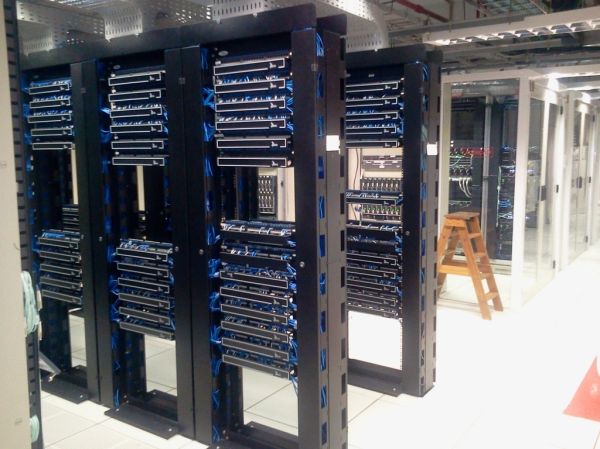
The global technology sector is experiencing a massive wave of infrastructure investment, as major corporations pour billions of dollars into building the foundation for the artificial intelligence boom. Recent financial reports from industry leaders indicate that the modern digital landscape is being reshaped by a highly interconnected cycle of spending. Technology conglomerates are simultaneously acting as the primary builders, providers, and consumers of advanced computing power, creating a self-sustaining financial ecosystem.
The Infrastructure Cycle Behind the Artificial Intelligence Boom
At the heart of the current artificial intelligence boom lies a massive demand for data centers, specialized chips, and immense electrical power. The largest cloud computing providers are investing heavily in capital expenditure to construct the physical facilities required to train and run complex machine learning models. Interestingly, much of the revenue generated by these cloud divisions comes from other technology firms and startups that are themselves building applications on top of these platforms. This dynamic creates a closed loop where capital flows continuously between a handful of dominant players and their enterprise customers.
This circular flow of capital has raised questions among market analysts regarding the long term sustainability of such massive infrastructure investments. While the revenue figures of major cloud providers look exceptionally strong, a significant portion of this growth is driven by pre-emptive spending rather than immediate consumer demand. Businesses are racing to secure computing capacity, fearing they will be left behind if they do not adopt automated technologies quickly. Readers should note that this article is for general information purposes only and does not constitute professional financial advice.
Evaluating the Long Term Value of Machine Learning Systems
For the momentum to continue, the applications built on these cloud platforms must eventually generate tangible economic value for everyday businesses and consumers. Currently, many enterprises are in the pilot phase of implementing automated systems, testing their utility in customer service, software development, and data analysis. If these tools successfully lower operating costs or create new revenue streams, the high cost of cloud infrastructure will be justified. However, if the practical benefits fail to materialize, the current level of capital expenditure may prove difficult to sustain over the coming decade.
Ultimately, the evolution of this technological cycle depends on software developers creating indispensable products that justify the high cost of computing power. As the market matures, the focus is likely to shift from building raw infrastructure to optimizing efficiency and reducing the energy footprint of these massive data hubs. For now, the momentum remains strong as the world’s most valuable enterprises continue to bet their futures on the transformative potential of automated intelligence.
Image: Openverse (public domain)
