


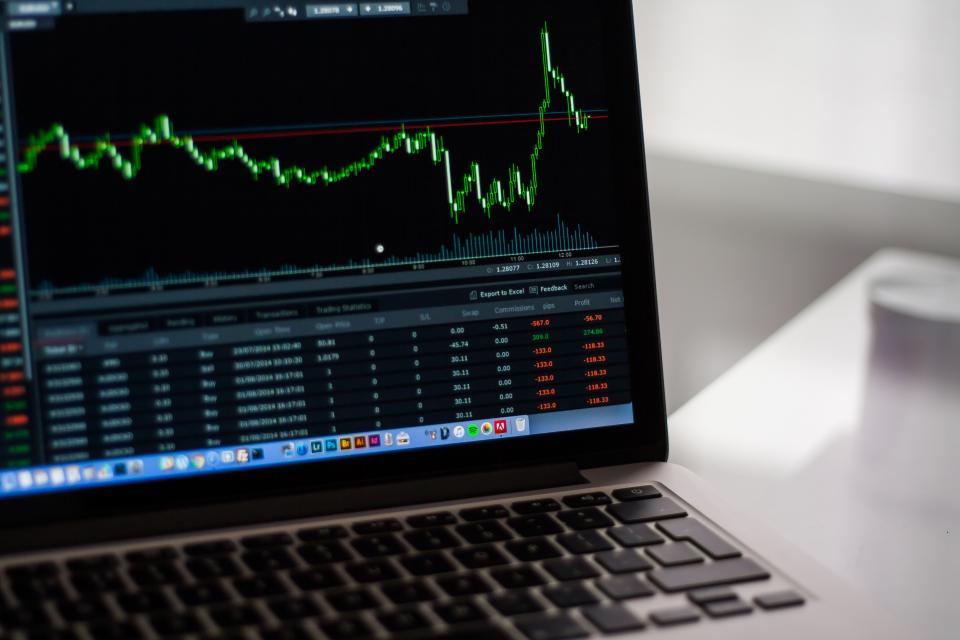
When global markets experience volatility, investors often turn their attention to the gold-price-trend to gauge the overall health of the financial ecosystem. As a historical store of value, precious metals occupy a unique position in both retail and institutional portfolios. Understanding what drives these market movements is essential for anyone looking to preserve capital or diversify their holdings over the long term.
The value of bullion does not fluctuate in a vacuum. Instead, it responds to a complex web of macroeconomic indicators, central bank policies, and geopolitical events. By analyzing these underlying drivers, market participants can better interpret daily price fluctuations and make more informed decisions about their physical assets and commodity investments.
Key Drivers of the Gold Price Trend
One of the primary catalysts behind the gold-price-trend is the monetary policy shaped by major central banks. When interest rates are low or falling, the opportunity cost of holding non yielding assets like physical bullion decreases, which typically drives demand upward. Conversely, when central banks raise interest rates to combat inflation, yield bearing assets like government bonds become more attractive, often putting downward pressure on precious metals.
Currency fluctuations also play a massive role in shaping market values. Because the commodity is globally priced in US dollars, any weakness in the greenback generally makes the metal cheaper for international buyers using other currencies. This inverse relationship means that domestic economic reports from major Western economies can trigger immediate shifts in global purchasing patterns.
The Role of Safe Haven Demand
Beyond interest rates and currency movements, systemic risk and geopolitical uncertainty are powerful drivers of market behavior. During times of diplomatic tension or banking sector instability, investors seek refuge in tangible assets that carry no default risk. This collective flight to safety can cause rapid upward shifts in value, even when traditional economic indicators suggest a quieter market environment.
It is also important to consider the physical supply and demand dynamics. While mining production remains relatively stable from year to year, industrial demand in electronics and consumer demand for jewelry can fluctuate. Additionally, central banks themselves have become massive net buyers of bullion in recent years, seeking to diversify their foreign exchange reserves away from paper currencies.
While tracking these market movements can offer valuable insights into global economic sentiment, readers should note that this article is intended for general informational purposes only and does not constitute formal financial advice. Before making any significant investment decisions, individuals should consult with a qualified financial advisor to evaluate their personal risk tolerance and long term wealth goals.
of goals.
Image: Openverse (public domain)
