


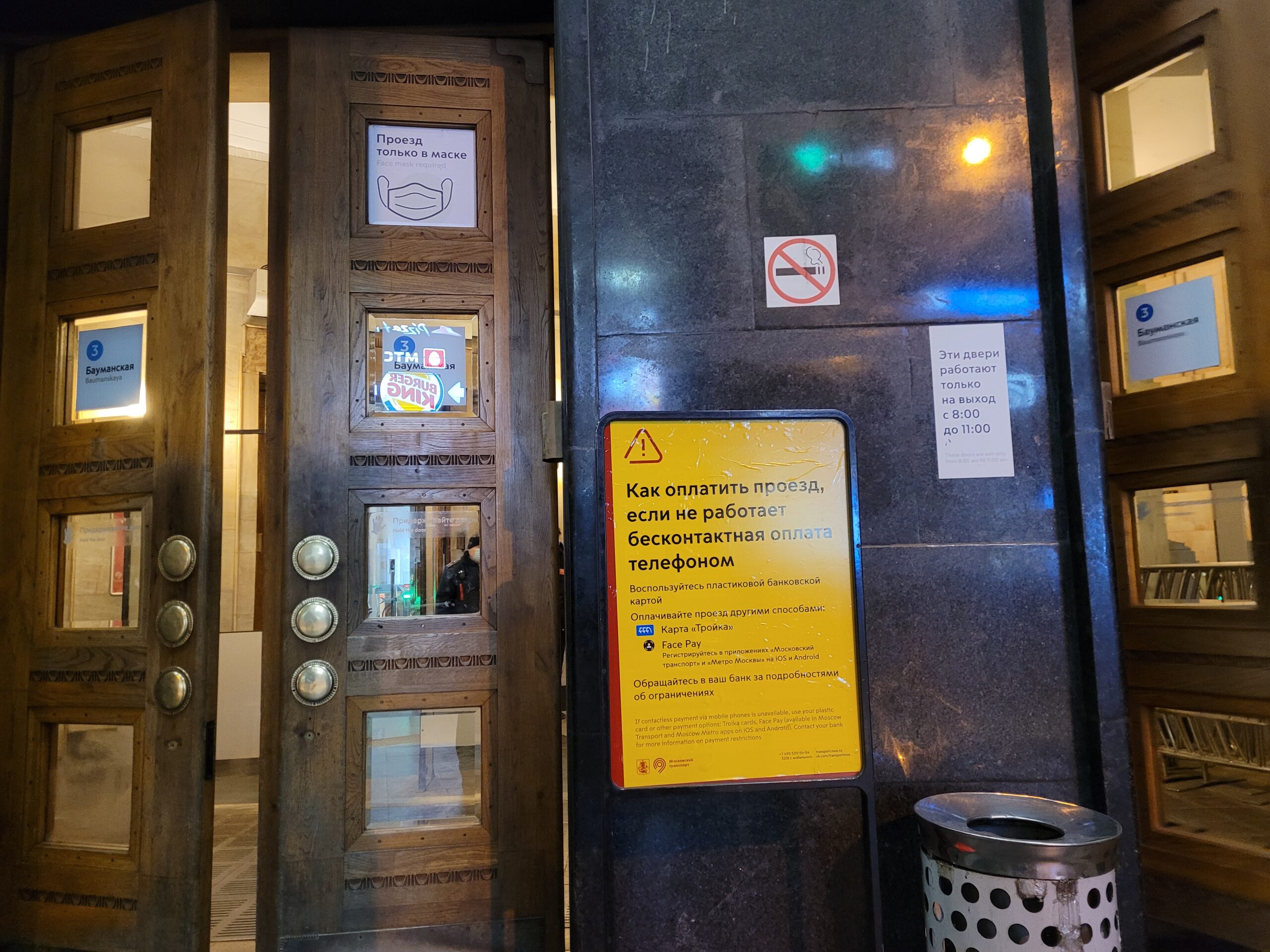
Evaluating the cashless society pros and cons reveals that while digital transactions offer unmatched convenience, they also introduce significant challenges regarding privacy and financial exclusion. As a fintech founder, I see daily how digital wallets and instant bank transfers streamline global commerce. However, a fully cashless ecosystem remains a double edged sword that requires careful regulation to protect vulnerable populations.
Why is the world moving away from physical currency?
Consumers and businesses globally are choosing digital payments over physical bank notes at an unprecedented rate. The primary driver is convenience, as tapping a phone or card takes under three seconds. For merchants, digital transactions lower the cost of handling physical money, reduce cash-in-transit security risks, and eliminate human error at the cash register.
Digital payment trails also simplify accounting and tax compliance. When every transaction leaves a clear digital footprint, bookkeeping becomes automated. For modern entrepreneurs who often ask are digital business cards worth it to streamline networking, adopting digital payments is the logical next step to modernise their entire business operations.
What are the main cashless society pros and cons?
Analyzing the cashless society pros and cons requires looking at both operational efficiency and human impact. The benefits are clear for tech-savvy consumers, but the drawbacks can severely affect marginalized groups.
The primary advantages include:
- Speed and convenience: Transactions occur instantly, reducing queues in retail environments.
- Lower transaction costs: Businesses save hours by avoiding physical cash counting and bank deposit trips.
- Reduced physical crime: Lower amounts of paper currency in registers makes retail stores less attractive targets for physical theft.
The primary disadvantages include:
- Financial exclusion: Millions of unbanked individuals worldwide rely entirely on physical cash to buy basic necessities.
- Systemic vulnerability: Technical outages, cyberattacks, or power grid failures can instantly freeze an entire economy.
- Loss of privacy: Financial institutions and payment processors track every purchase, leaving no room for anonymous spending.
- Merchant fees: Small businesses must pay interchange fees of 1 to 3 percent on every transaction, which eats into their profit margins.
How do we balance digital progress with financial inclusion?
We cannot build a sustainable financial future by leaving people behind. A true cashless transition must address the fact that elderly citizens, low income households, and rural communities often lack reliable internet access or the digital literacy required to navigate banking apps. As fintech innovator Khalid Mir suggests, technology should serve to empower people rather than create new barriers to participation.
To create a balanced system, governments must mandate that physical currency remains a legal tender that merchants must accept for essential goods like food and medicine. Additionally, fintech companies must design offline payment solutions that work without active internet connections, ensuring that communities remain resilient during unexpected network blackouts.
Please note that this article provides general information for educational purposes and does not constitute financial advice.
Frequently asked questions
Can a business legally refuse to accept cash?
In many jurisdictions, private businesses can set their own payment policies, meaning they can legally refuse cash unless local state or national laws specifically mandate its acceptance as legal tender for all transactions.
How does a cashless system impact personal privacy?
A cashless system eliminates anonymous transactions, meaning banks, payment processors, and potentially government agencies can track when, where, and how you spend every cent.
What happens to digital payments during a power outage?
During a power or internet outage, digital payment terminals and mobile wallets usually fail, preventing transactions unless the merchant has specialized offline payment processing capabilities.
Image: Openverse (public domain)
