


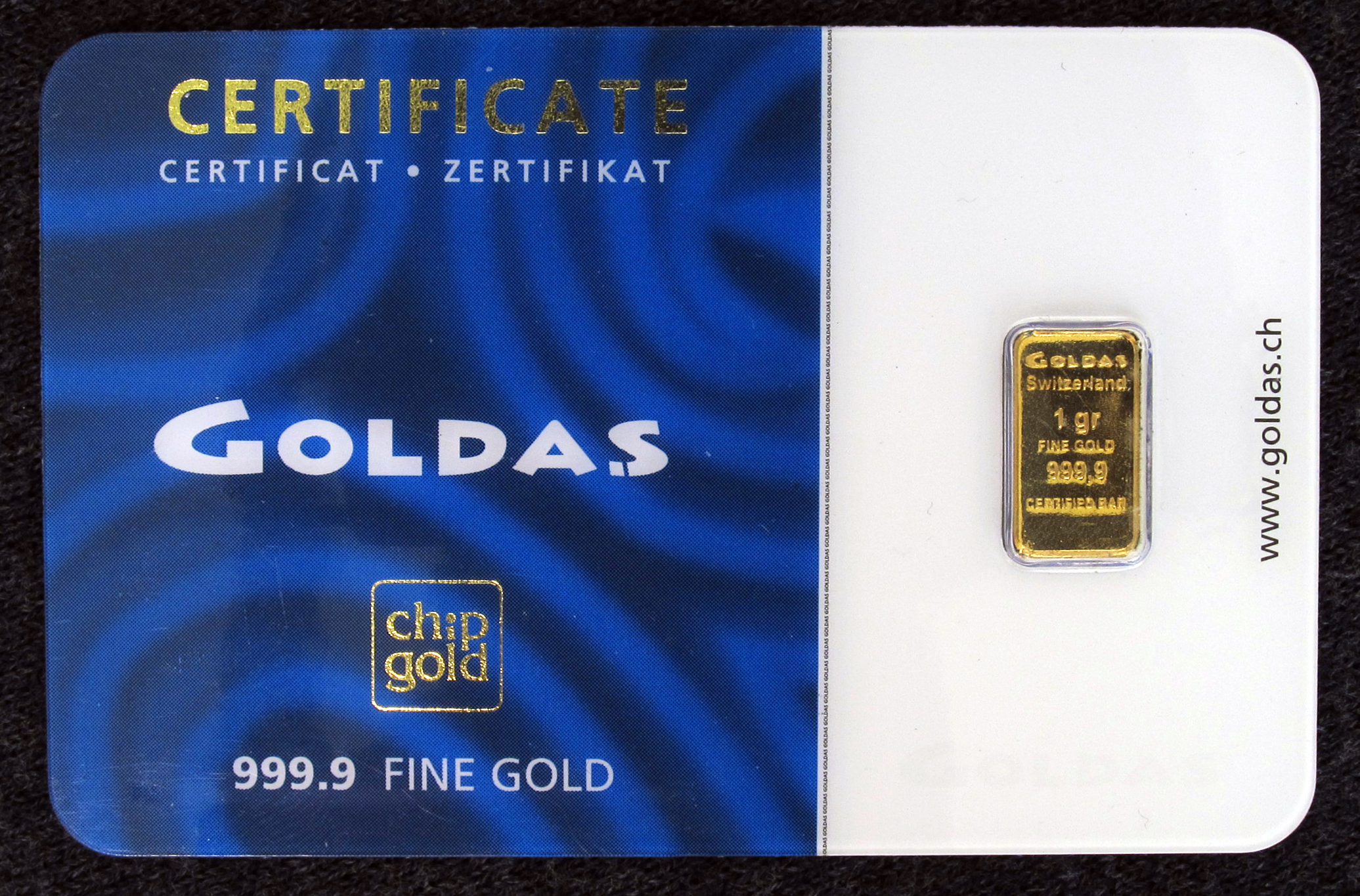
Investors and financial analysts worldwide closely monitor the current-price-of-gold as a primary indicator of global economic health and market sentiment. As a physical asset with thousands of years of history as a store of value, this precious metal behaves differently from equities or debt instruments. Understanding what moves its value is essential for anyone looking to preserve capital during times of macroeconomic transition.
Key Drivers of the Current Price of Gold
Several interconnected global factors constantly shape the current-price-of-gold in international markets. Central bank policies, particularly interest rate decisions by major institutions like the Federal Reserve, play a dominant role. When interest rates are low or falling, the opportunity cost of holding non yielding assets like physical bullion decreases, which often drives demand and prices upward. Conversely, higher yields on government bonds can draw capital away from precious metals.
Inflation and currency fluctuations also exert massive influence on the metal. Historically, when fiat currencies lose purchasing power due to rising consumer prices, investors turn to tangible assets to protect their wealth. Because international gold trade is denominated in US dollars, a weakening dollar generally makes the metal cheaper for buyers using other currencies, thereby stimulating global demand and pushing prices higher.
How Geopolitics and Market Demand Shape Trends
Geopolitical uncertainty is another major catalyst that can rapidly shift market sentiment. During periods of international conflict, trade disputes, or systemic banking instability, capital frequently seeks safe haven assets. This flight to safety can cause sudden upward movements in the market, reflecting the collective desire of global investors to mitigate risk in their broader portfolios.
Physical demand from central banks and consumer markets also provides a strong baseline support for the metal. In recent years, reports indicate that central banks in emerging markets have accelerated their purchases to diversify their foreign exchange reserves away from paper currencies. Additionally, consumer demand for jewelry and industrial applications, particularly in major Asian economies, helps sustain long term market momentum.
Tracking the Metal for Your Portfolio
For those looking to integrate precious metals into their financial planning, tracking market movements requires a reliable strategy. Investors can choose between physical ownership, such as coins and bullion, or financial instruments like exchange traded funds and mining equities. Each option carries distinct liquidity profiles, storage costs, and risk factors that must be weighed carefully.
Please note that this information is intended for educational purposes only and does not constitute professional financial advice. Before making any major investment decisions, it is wise to consult with a qualified financial advisor who understands your personal risk tolerance and long term wealth goals. Keeping a close eye on global economic indicators will help you make more informed decisions as market conditions evolve.
Image: Openverse (public domain)
