


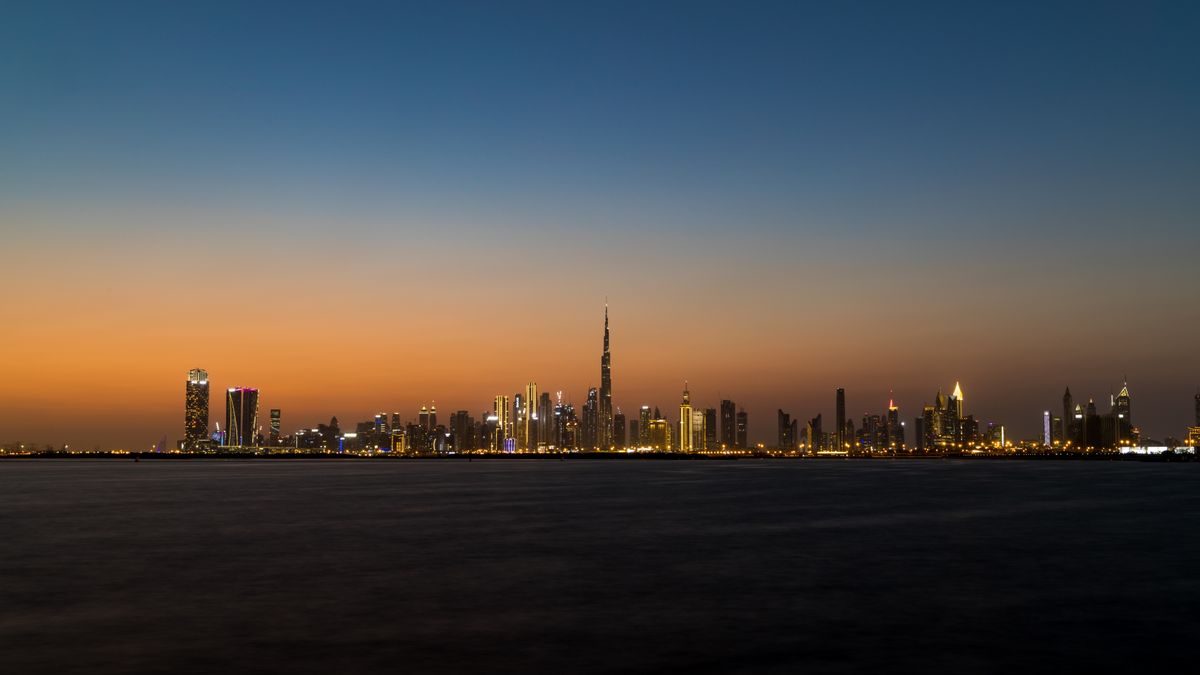
Low taxes, a strategic location and a pro-business government make the UAE a magnet for founders. If you want to start a business in Dubai in 2026, the process is more accessible than many expect, but the right structure makes a big difference to cost and flexibility.
Mainland vs free zone
The first decision is where to set up. A free zone offers 100% foreign ownership, fast digital licensing and tax perks, but you mainly trade within that zone or internationally. A mainland licence lets you trade freely across the UAE and bid for government contracts, with most activities now also allowing full foreign ownership.
What it costs
Free-zone trade licences typically start around AED 12,500-15,000, with all-in first-year costs of AED 18,000-25,000 once you add a flexi-desk and one visa. Mainland setups often start near AED 12,000 but can exceed AED 25,000 depending on activity, approvals and office rent, which is usually required before licensing.
Steps to start a business in Dubai
The path is straightforward: choose your business activity, reserve a trade name, select mainland or a specific free zone, apply for the licence, then process establishment cards and residence visas. Many free zones now issue a licence digitally in hours, and some offer instant packages.
Before you commit
Match the structure to your customers. If you will sell to UAE businesses and consumers, mainland is usually worth the extra cost. If you serve clients abroad or want the cheapest route to a licence and visa, a free zone wins. Either way, factor in renewals, visa quotas and office requirements so your budget reflects the full picture, not just the headline licence fee.
