


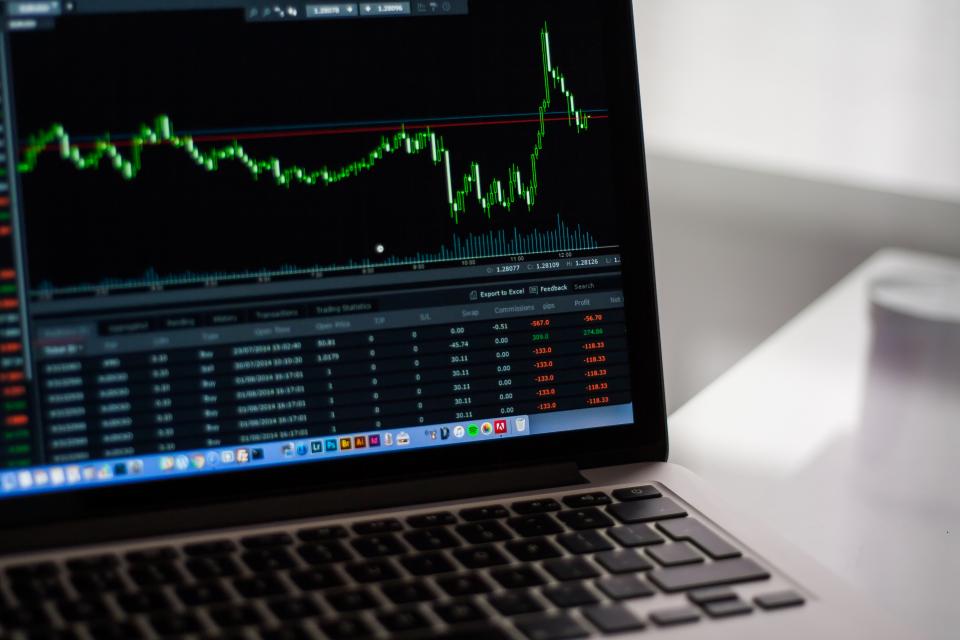
Investors and financial analysts around the world closely monitor the gold price today to gauge the health of the global economy. As a traditional safe haven asset, precious metals often reflect broader market sentiments, currency fluctuations, and geopolitical tensions. Understanding what drives these daily movements can help individuals make more informed decisions about their wealth preservation strategies. While physical gold has historically maintained its purchasing power over centuries, its short term valuation remains subject to a complex web of international market forces.
The Core Drivers of the Gold Price Today
Several primary factors influence the gold price today, starting with the monetary policies of major central banks. When interest rates are low or falling, the opportunity cost of holding non yielding assets like gold decreases, making the metal more attractive to investors. Conversely, when central banks raise interest rates to combat inflation, interest bearing assets often gain favor, which can put downward pressure on precious metals. This delicate balance between yield and safety is a constant driver of market activity.
Inflation and currency strength also play massive roles in determining daily valuations. Because gold is globally priced in US dollars, any significant fluctuation in the value of the dollar tends to have an inverse relationship with the metal. A weakening dollar makes gold cheaper for buyers using other currencies, which typically boosts demand and drives the price upward. Additionally, when inflation erodes the purchasing power of paper currencies, investors frequently turn to tangible assets to protect their capital.
How Global Events Shape Precious Metals
Beyond monetary policy, geopolitical stability or the lack thereof is a major catalyst for sudden shifts in the gold price today. During times of international conflict, trade disputes, or economic uncertainty, capital tends to flow away from riskier equities and toward safer reserves. Institutional investors and central banks themselves often increase their physical gold reserves during these periods, creating a solid floor for global market prices.
For retail investors looking to navigate these markets, it is important to remember that precious metals should be viewed as part of a diversified portfolio rather than a speculative tool. Please note that this information is for educational purposes only and does not constitute professional financial advice. Keeping a close eye on macroeconomic indicators, such as employment data and manufacturing indexes, can provide valuable clues about where the market might head next, helping you understand the daily shifts in precious metals.
Image: Openverse (public domain)
