


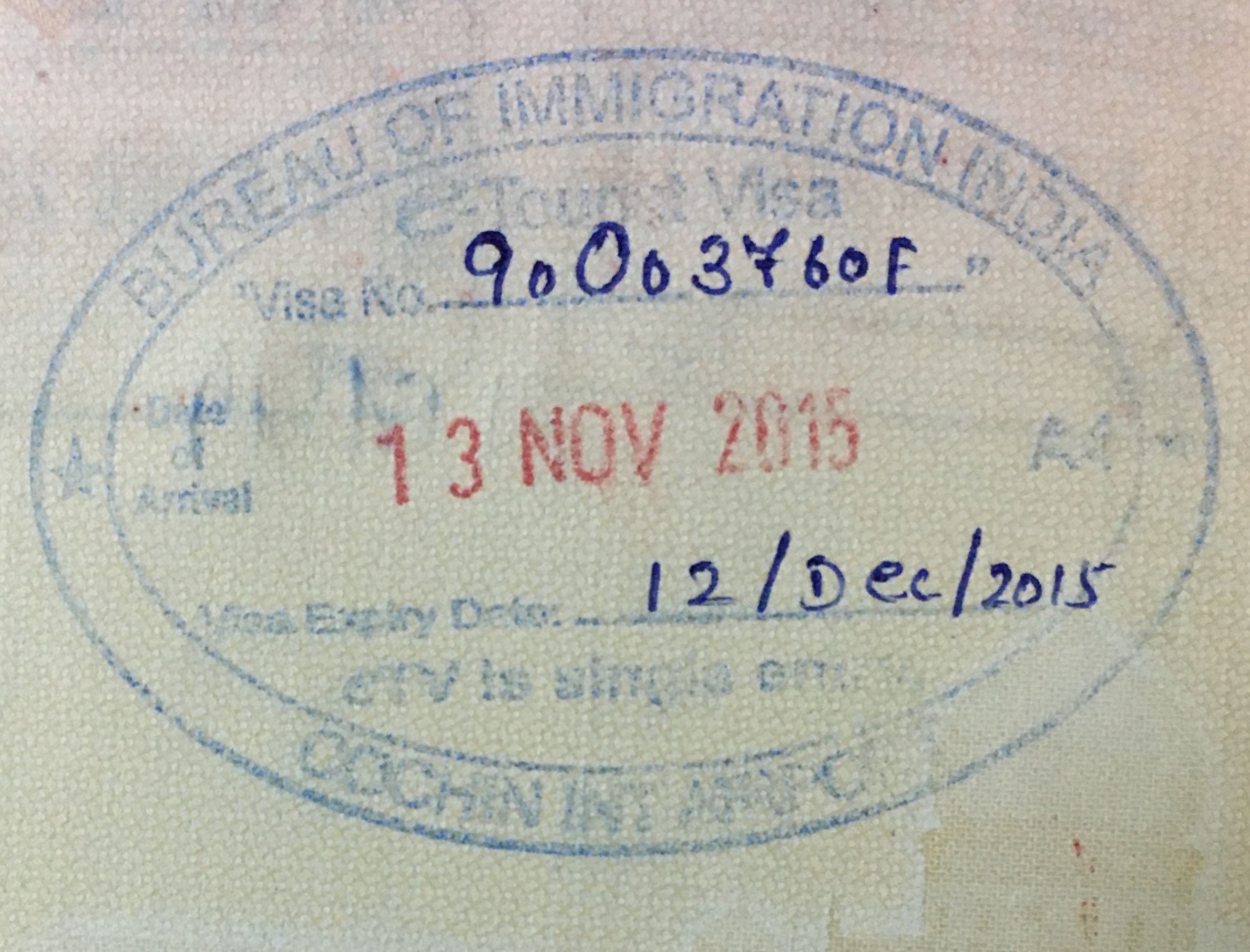
Understanding the intricacies of us visa revocation rules is essential for international professionals, students, and tourists planning to live or travel in the United States. Recent guidance from immigration authorities underscores a strict stance on personal conduct and legal compliance. Foreign nationals who violate local laws, including traffic regulations like driving under the influence or failing to maintain their lawful status, risk immediate legal consequences. For travelers from the Gulf, South Asia, and Africa, keeping track of how host nations enforce immigration laws is critical to maintaining long-term mobility and protecting career investments.
Visa revocation is a formal administrative process by which consular officials or immigration agencies cancel an active entry permit. While a visa grants permission to apply for entry at a border crossing, it remains subject to continuous evaluation. Under standard regulations, government departments maintain broad discretionary power to cancel travel credentials whenever new information suggests an individual is no longer eligible to hold them. This means that an individual residing in the country on a work, student, or tourist permit can see their permission revoked long before their passport stamp officially expires.
How Traffic Violations and Misconduct Trigger US Visa Revocation Rules
A common misconception among international travelers is that immigration authorities only target serious federal offenses or security threats. In practice, under updated us visa revocation rules, misdemeanor offenses such as driving under the influence of alcohol or drugs can trigger swift federal action. Legal reports indicate that law enforcement agencies share arrest records with federal databases, creating a direct link between local police incidents and national immigration systems. When a foreign national is arrested for driving under the influence, consular systems often flag the record for administrative review, which can result in the automatic prudent revocation of their visa.
This policy reflects a broader effort to ensure public safety and hold temporary residents to high standards of personal accountability. Beyond driving offenses, any action that breaches the terms of a specific visa class can lead to immediate cancellation. For instance, working without authorization on a visitor permit, overstaying permitted dates, or failing to maintain required educational course loads all count as status violations. Once a violation is identified, authorities can cancel the visa record, making any future attempts to re-enter the country extremely complex.
The Long-Term Legal and Financial Impact of Visa Cancellation
The financial and professional consequences of losing legal entry privileges can be catastrophic for international workers and students. Individuals subject to visa cancellation may face abrupt termination of employment contracts, disruption of university degree programs, and significant travel expenses associated with immediate departure. Furthermore, a revoked status leaves a permanent mark on an individual’s global immigration history. Future visa applications to the United States, as well as partner nations that share intelligence data, will require full disclosure of the prior revocation, leading to intense scrutiny and potential re-entry bans.
Navigating international immigration law requires careful planning and legal consultation when incidents occur. Note that this analysis provides general information on international policy trends and does not constitute formal legal or financial advice. Individuals facing immigration challenges or legal proceedings should always seek counsel from qualified legal professionals specialized in federal immigration statutes. Taking proactive steps immediately after an incident is often the only way to mitigate long-term damage to one’s international mobility.
Global Mobility Patterns and Strict Enforcement Trends
The emphasis on enforceability fits into a broader global trend where destination countries utilize digital integration to monitor non-citizens. Government departments across North America, Europe, and Asia increasingly link local criminal registries directly with national visa issuance databases. This real-time data sharing ensures that minor legal infractions are flagged instantly, leaving virtually no delay between a local arrest and administrative immigration consequences. For global citizens, this interconnected reality means that compliance with host nation laws is monitored constantly.
For residents across the UAE, South Asia, and the wider African continent who hold multi-year US travel credentials, keeping informed about regulatory shifts is vital. Even if a visa remains physically intact inside a passport, the underlying electronic record might be canceled without immediate physical notice. Travelers who have had past encounters with law enforcement, even minor traffic incidents, are advised to verify their visa status with relevant diplomatic missions before booking international itineraries to prevent unexpected turnbacks at border control points.
What Travelers Should Watch Next
Moving forward, international policy analysts expect host nations to continue refining their automated screening systems. As artificial intelligence and unified database management become standard tools for border security, the margin for error for international visa holders will continue to shrink. Future updates from state departments will likely clarify procedural steps for appealing prudent revocations, though the burden of proof will remain heavily on the traveler to demonstrate full legal compliance and rehabilitation.
Staying compliant requires a clear understanding of the specific obligations attached to every visa category. Whether traveling for business, higher education, or leisure, maintaining a clean legal record and strictly adhering to period-of-stay limitations are the best defenses against sudden administrative cancellations. As global travel continues to expand, maintaining awareness of regulatory enforcement remains essential for preserving personal freedom of movement.
Image: Openverse (public domain)
