


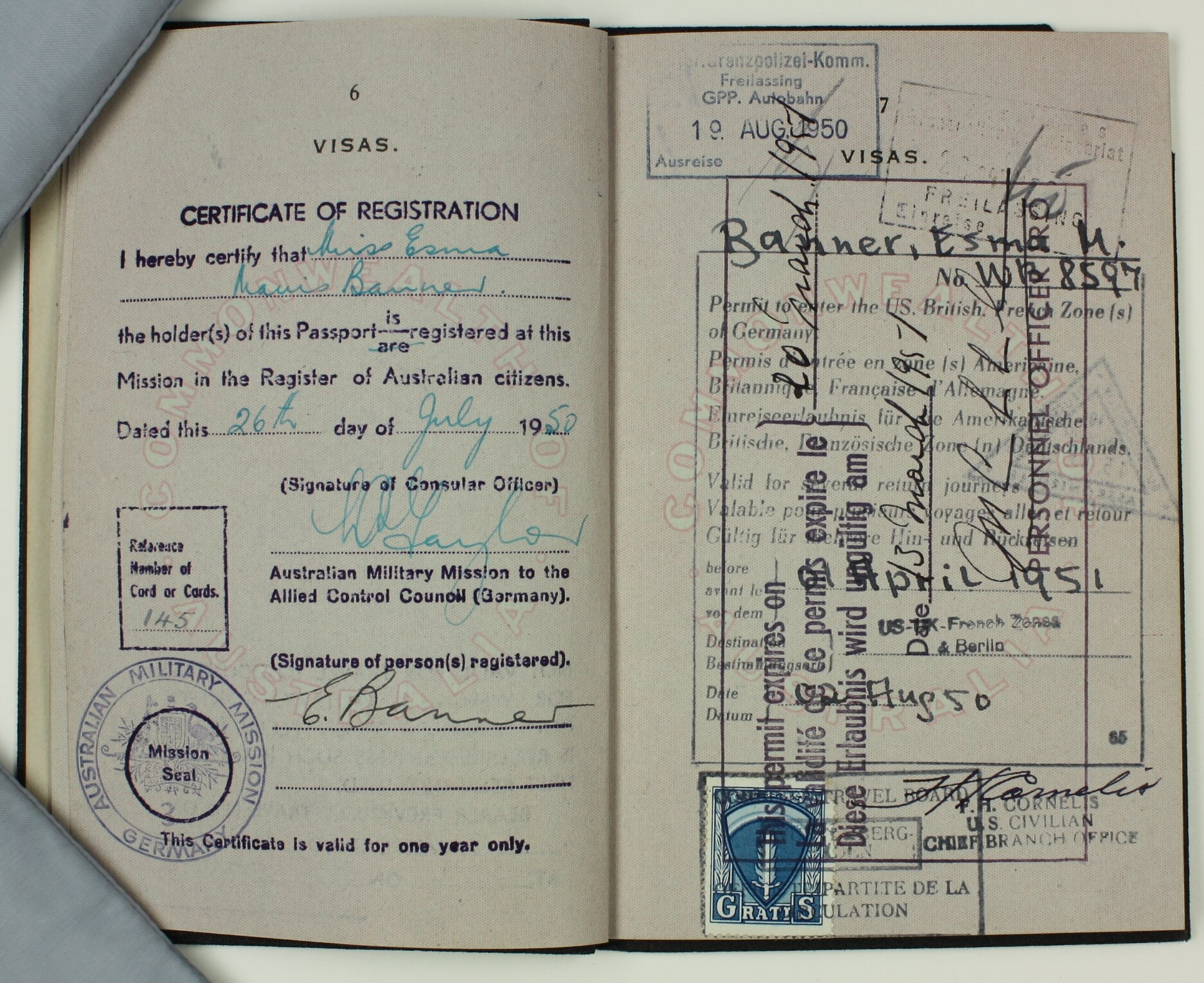
In the arena of international relations, countries employ various tools to assert influence, protect national security, and negotiate with foreign partners. While economic sanctions and military alliances are the most visible instruments of statecraft, governments increasingly use visas as a diplomatic weapon. By restricting or facilitating the movement of people, administrations can send powerful political signals, pressure foreign governments, and respond to geopolitical disputes without resorting to open conflict.
Using visas as a diplomatic weapon is not a new phenomenon, but it has gained renewed prominence in recent years. When diplomatic relations between two nations sour, one of the first and most direct actions a government can take is to suspend visa processing, increase application fees, or cancel existing travel permits for citizens of the opposing nation. This strategy targets not only government officials but also ordinary citizens, students, and business travellers, creating immediate social and economic pressure on the targeted country.
The Mechanics of Visas as a Diplomatic Weapon
The strategic manipulation of travel permits can take several forms. A government might implement outright bans on citizens from specific countries, citing security concerns or political disagreements. Alternatively, a state might slow down the visa issuance process by closing consulates, reducing staff, or introducing extremely rigorous vetting procedures. These bureaucratic hurdles serve as a subtle yet highly effective way to restrict entry while maintaining a degree of plausible deniability on the international stage.
Furthermore, the targeted denial of visas to high ranking officials, diplomats, and business leaders is a common tactic used to express disapproval of a foreign government’s domestic or international policies. By limiting the mobility of a nation’s elite, countries can disrupt official channels of communication and signal discontent. This form of pressure is often used as a retaliatory measure in response to cyber security threats, election interference, or human rights violations.
Economic and Social Impacts of Travel Restrictions
The broader consequences of using visas as a diplomatic weapon extend far beyond government offices. Business communities often bear the brunt of these political decisions, as multinational corporations struggle to move key personnel, secure talent, or attend critical international conferences. Tourism sectors also suffer when major source markets are suddenly blocked by diplomatic disputes, leading to significant revenue losses for airlines, hotels, and local businesses.
For individuals, these policies can disrupt educational pursuits, family reunions, and career opportunities. While these measures are designed to target state actors, the collateral damage is frequently felt by the general public. Please note that while immigration and international travel trends can affect personal financial planning, this article is for general information purposes only and does not constitute financial or legal advice.
As global geopolitical tensions continue to rise, the trend of weaponising travel documentation is likely to persist. For international businesses and global citizens, understanding the shifting landscape of immigration policy is essential for navigating an increasingly fragmented world. Ultimately, the use of travel permits as political leverage highlights how closely connected national security, foreign policy, and individual mobility have become in the modern era.
Image: Openverse (public domain)
