


Here is what readers should know about why netgear is getting an exemption from the fcc’s router ban, in plain language. The wider context, the practical takeaway, and the parts that matter most for everyday decisions.
Last month, we reported that the Federal Communications Commission (FCC) banned routers made in foreign countries because the organization claimed they “pose an unacceptable risk to the national security of the United States.” We might have spoken too soon, because the FCC isn’t banning all of them, especially if they are essential to military operations.
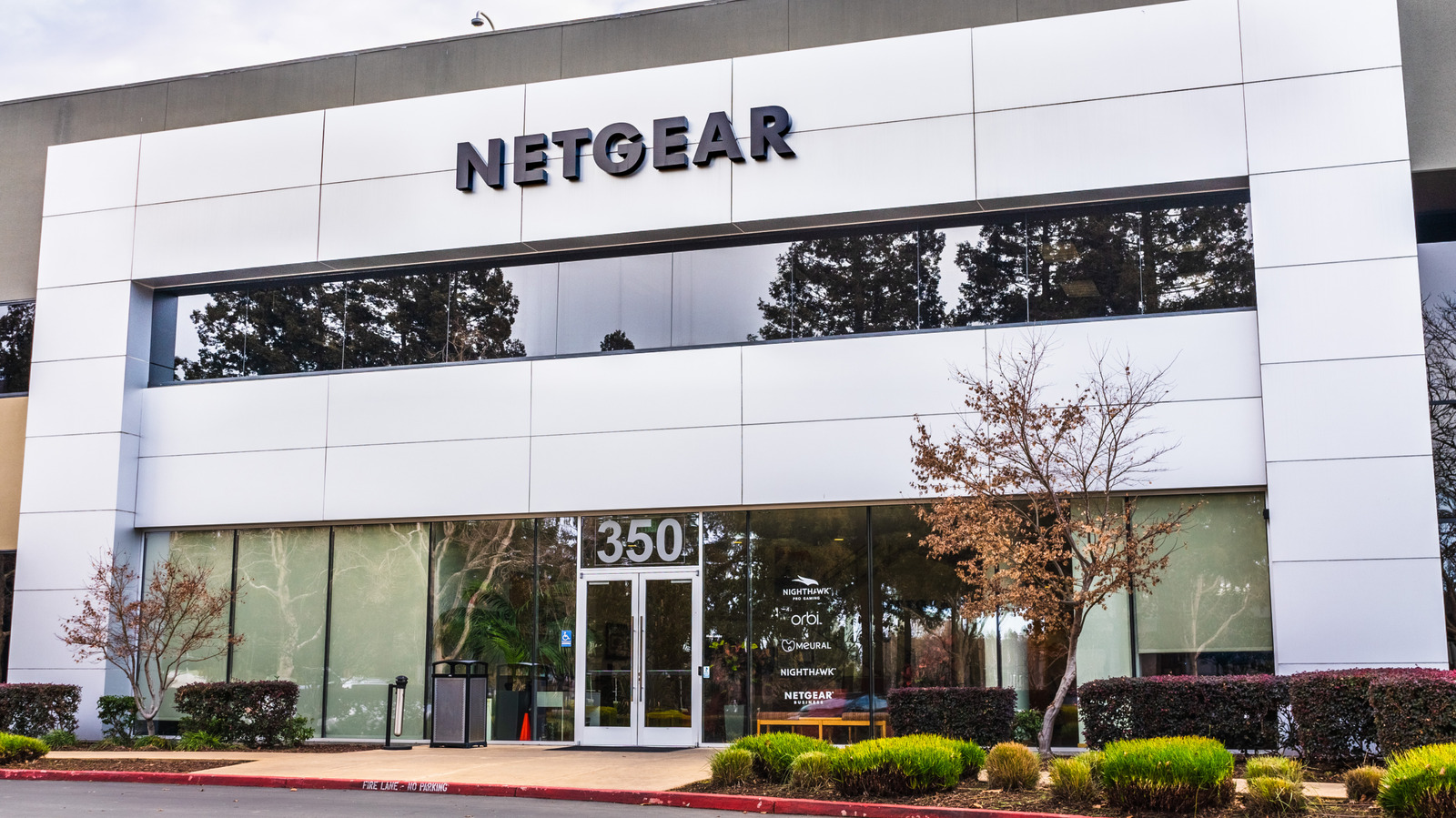
Recently, the FCC posted an updated public notice regarding the foreign-made router ban. The document states that Netgear (a company that is based in the U.S. but manufactures its products in countries such as Vietnam and Thailand) has been provided a “Conditional Approval” to continue selling in the United States. While the document doesn’t list the precise reason, it does state that Conditional Approval can be granted to any company that requests it so long as it produces uncrewed aircraft systems (UAS) and UAS “critical components.” Of course, the company also must prove that its routers don’t pose significant risks to national security. We can likely infer that Netgear achieved this feat not only because the company made a convincing argument, but because its routers are an essential part of UAS operation.
Since Netgear may have secured this win in part because its routers help control UAVs, you might assume that one condition of the Conditional Approval is that Netgear can only sell routers to U.S. government organizations. That is not the case. as reported by the public notice, Netgear can still sell consumer-grade mesh, mobile, and standalone routers in the Orbi and Nighthawk lines (one of the best inexpensive routers available on Amazon), as well as cable gateways and modems.
Netgear isn’t the only exception
When the FCC moved to restrict foreign-made routers, the organization reviewed devices, whether they posed undue risk to the U.S. government, and if they were “UAS critical components.” Netgear routers weren’t the first devices given a pass, and they might not be the last.
As of this writing, Adtran Inc’s Service Delivery Gateway routers have also received Conditional Approval. Along with Netgear’s contributions, these are some of the only foreign-built routers that currently have Conditional Approval from the FCC. The only other item on the FCC’s list of approved products is the Sees.ai v.USA 1.0 Uncrewed Aircraft System.
Unfortunately, the aforementioned products might not keep the FCC’s Conditional Approval for long. The public notice states this classification will only last until October 1, 2027. What will happen after this tantamount stay of execution? The FCC might re-review the devices and determine if they can keep their Conditional Approval, or the FCC might decide that American-made routers are the better long-term answer.
