


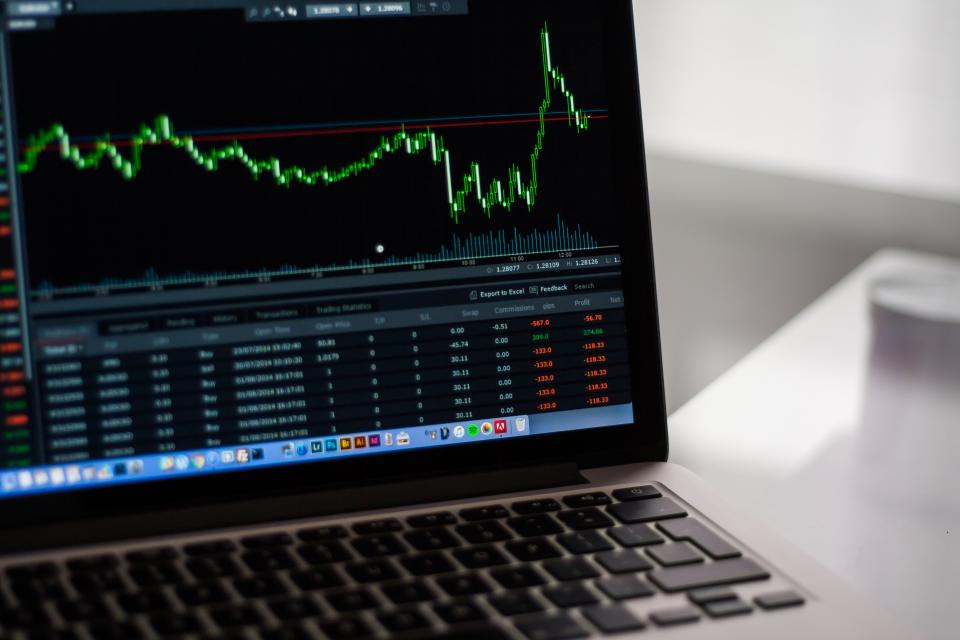
Investors and financial analysts closely monitor the gold price today as a primary indicator of global economic health and market sentiment. As one of the oldest and most reliable stores of value in human history, this precious metal often reacts sharply to macroeconomic shifts, currency fluctuations, and geopolitical tensions. When traditional financial markets experience volatility, capital frequently flows toward physical assets, causing noticeable upward movements in precious metal valuations.
To comprehend the movement of the gold price today, one must examine the fundamental relationship between interest rates and non-yielding assets. When central banks across major economies signal a potential pause or reduction in borrowing costs, holding physical bullion becomes significantly more attractive. Because precious metals do not pay dividends or interest, lower yields on government bonds reduce the opportunity cost of holding physical commodities, thereby driving up demand and market prices.
Key Economic Influences on the Gold Price Today
Inflationary pressures and currency depreciation also play a critical role in shaping the gold price today. When major global currencies lose purchasing power due to persistent inflation, investors turn to commodities to preserve their wealth. Reports show that even minor percentage gains in commodity indices can signal a broader lack of confidence in fiat currencies, prompting institutional buyers to increase their allocations to physical reserves.
Geopolitical uncertainty is another major catalyst that influences the valuation of precious metals. During times of international trade disputes, regional conflicts, or unexpected political transitions, the global investment community seeks safety. This safe-haven demand often creates a strong floor for commodity prices, allowing them to rise even when other asset classes, such as equities and real estate, are facing downward pressure.
How Retail Investors Navigate Precious Metals
For retail investors in the Gulf region and beyond, keeping track of daily market fluctuations is essential for timely portfolio rebalancing. Many individuals choose to allocate a small percentage of their wealth to physical bullion, exchange-traded funds, or mining equities to hedge against systemic economic risks. Please note that this article is intended for general informational purposes only and does not constitute formal financial advice.
Ultimately, the gold price today serves as a financial barometer, reflecting the collective anxiety or optimism of global markets. By understanding the underlying drivers of these price movements, from central bank policies to currency trends, market participants can make more informed decisions about their personal wealth preservation strategies. As global economic landscapes continue to evolve, the enduring appeal of precious metals remains a cornerstone of conservative asset management.
Image: Openverse (public domain)
