


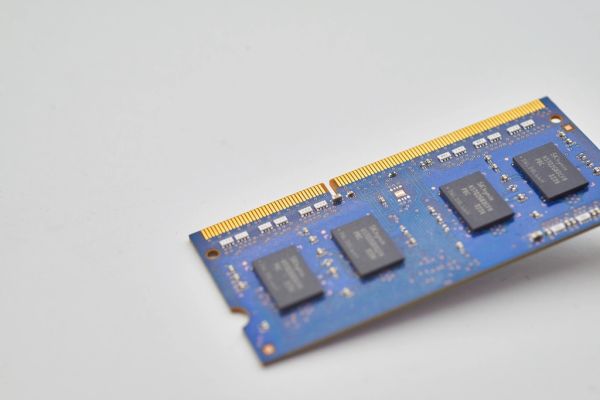
A global computer memory shortage is currently reshaping the consumer technology landscape, driving up retail prices for essential devices just as students and professionals prepare for a new academic year. The surge in demand for artificial intelligence applications has diverted manufacturing priorities, leaving traditional consumer electronics with fewer components. This shift has created a noticeable supply squeeze, forcing shoppers to navigate significantly higher price tags on standard laptops, tablets, and desktop computers.
Understanding the Causes of the Computer Memory Shortage
At the heart of the current computer memory shortage is the rapid expansion of artificial intelligence. Tech conglomerates and data centers are purchasing massive quantities of high-bandwidth memory to power complex AI models and machine learning algorithms. Because manufacturing facilities have finite production capacities, chipmakers have reallocated their resources to meet these highly lucrative enterprise demands. Consequently, the production of standard memory chips used in everyday consumer devices has taken a backseat.
This reallocation of manufacturing priorities has created a classic supply and demand imbalance. While the appetite for personal computers and educational technology remains steady, the components required to build them are increasingly scarce and expensive. Industry reports indicate that the cost of memory modules has climbed steadily over several quarters, and these expenses are now being passed directly to retail consumers in the form of higher device prices.
How Consumers Can Navigate Rising Technology Costs
For families and professionals looking to upgrade their hardware, this situation requires a more strategic approach to shopping. Rather than purchasing the latest high-end models, buyers are encouraged to look for refurbished devices or previous-generation models that still offer robust performance. Often, a slightly older laptop will meet all educational and office needs at a fraction of the cost of a brand-new machine affected by the current pricing surge.
Additionally, upgrading existing hardware can be a cost-effective alternative to buying an entirely new system. Adding more RAM or installing a solid-state drive can extend the lifespan of an older computer by several years. Please note that this information is for educational purposes and does not constitute financial advice; always evaluate your personal budget and technical requirements before making major purchasing decisions.
The Long-Term Outlook for Hardware Prices
Industry analysts suggest that the market imbalance is unlikely to resolve overnight. As artificial intelligence technologies continue to integrate into every sector of the global economy, the demand for specialized silicon will remain intense. Chip manufacturers are working to expand their production facilities, but building new semiconductor fabrication plants is a capital-intensive process that typically takes several years to complete.
Until global production capacity catches up with the dual demands of enterprise AI and consumer electronics, buyers should expect elevated pricing to persist. Planning technology acquisitions well in advance, monitoring retail promotions, and exploring alternative hardware configurations will remain essential strategies for mitigating the financial impact of this ongoing component deficit.
Image: Openverse (public domain)
