


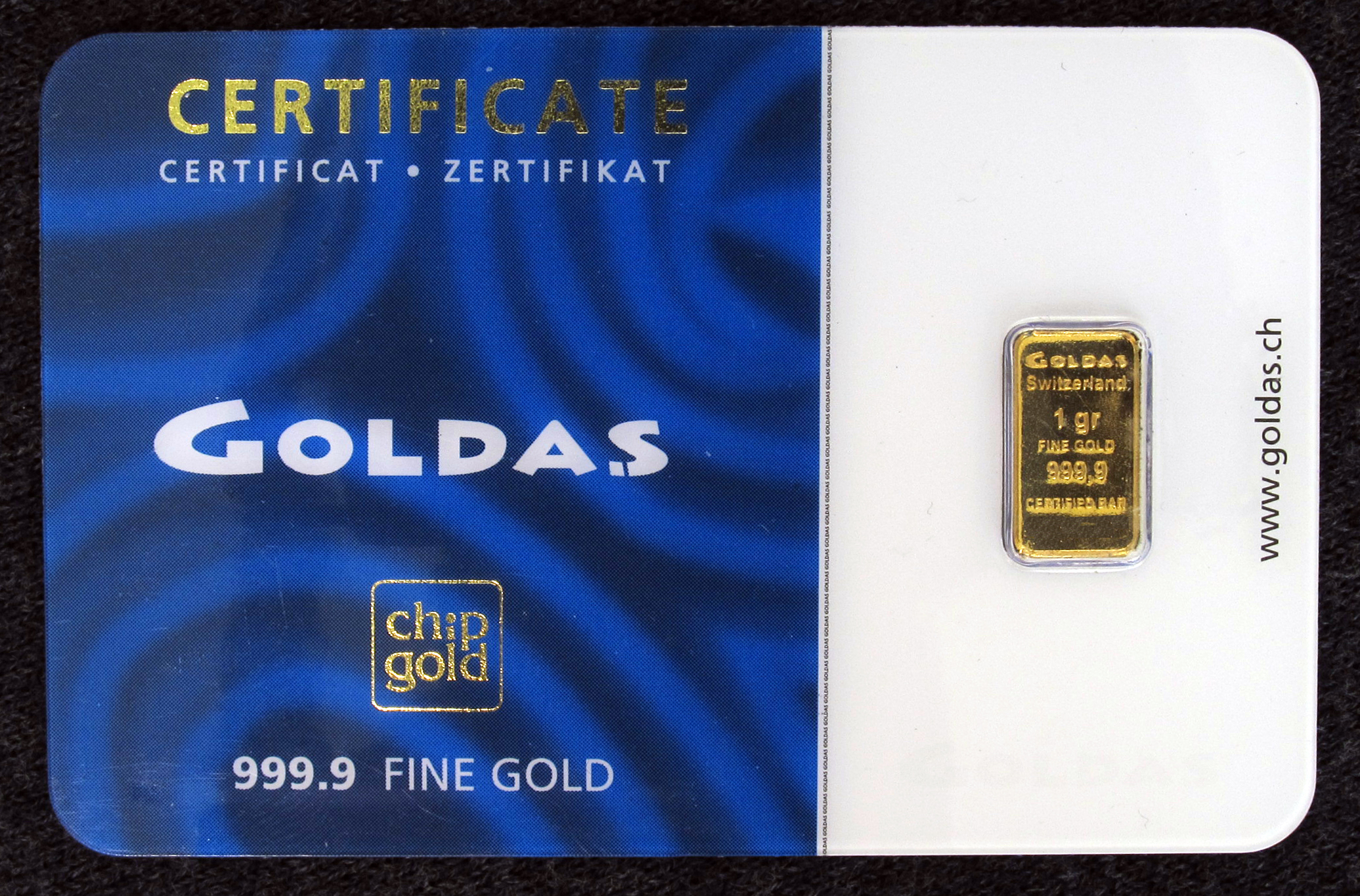
Understanding the current price of gold is a fundamental step for any investor looking to preserve wealth or diversify a modern financial portfolio. As a premier safe haven asset, precious metals often react to global economic shifts, inflation rates, and currency fluctuations. Keeping a close eye on these valuation changes allows market participants to make informed decisions about when to buy or sell their holdings.
Factors Shaping the Current Price of Gold
The global valuation of precious metals does not change in a vacuum. Multiple macroeconomic indicators constantly influence the daily spot rates. Central bank policies, especially interest rate decisions by major global reserves, play a massive role. When interest rates are low, traditional yield bearing assets become less attractive, which often drives investors toward precious metals, subsequently pushing up the market value.
Geopolitical tensions and broader market volatility also act as significant catalysts. During periods of international instability or high inflation, institutional and retail buyers alike seek refuge in tangible assets. This collective flight to safety can cause rapid upward movements in the market, making it essential for active traders to monitor live feeds and official reports regularly to capture these sudden shifts.
How to Monitor Market Rates Effectively
For those tracking the current price of gold, relying on reputable financial news outlets and dedicated commodity exchanges is crucial. Spot prices are updated continuously during global trading hours, reflecting transactions occurring in major hubs such as London, New York, and Shanghai. Investors should look at both the spot price, which is the immediate settlement price, and futures contracts to gauge long term market sentiment.
Please note that while tracking these trends can help you understand market momentum, this article is intended for general informational purposes only and does not constitute professional financial advice. Before committing capital to precious metals, individuals should assess their personal risk tolerance and consult with a qualified financial advisor.
Integrating Precious Metals into Your Portfolio
Once you understand how to follow the daily fluctuations, the next step is determining the right allocation strategy. Some investors prefer physical ownership, purchasing physical bars or coins from certified dealers. Others opt for financial instruments such as exchange traded funds, which offer exposure to the metal without the logistical challenges of secure storage and insurance.
Ultimately, a balanced approach is key to long term stability. By keeping a watchful eye on market indicators and understanding the underlying forces that move commodity values, you can better position your portfolio to withstand broader economic cycles. Consistent monitoring ensures you are never caught off guard by sudden shifts in global market dynamics.Image: Openverse (public domain)
