


Quick context before the detail: we swipe our phones all day, and scientists just ranked which ones are the most tiring sits at the intersection of a few real-world decisions most readers face at some point. Here is a clear summary of what is going on, and why it matters.
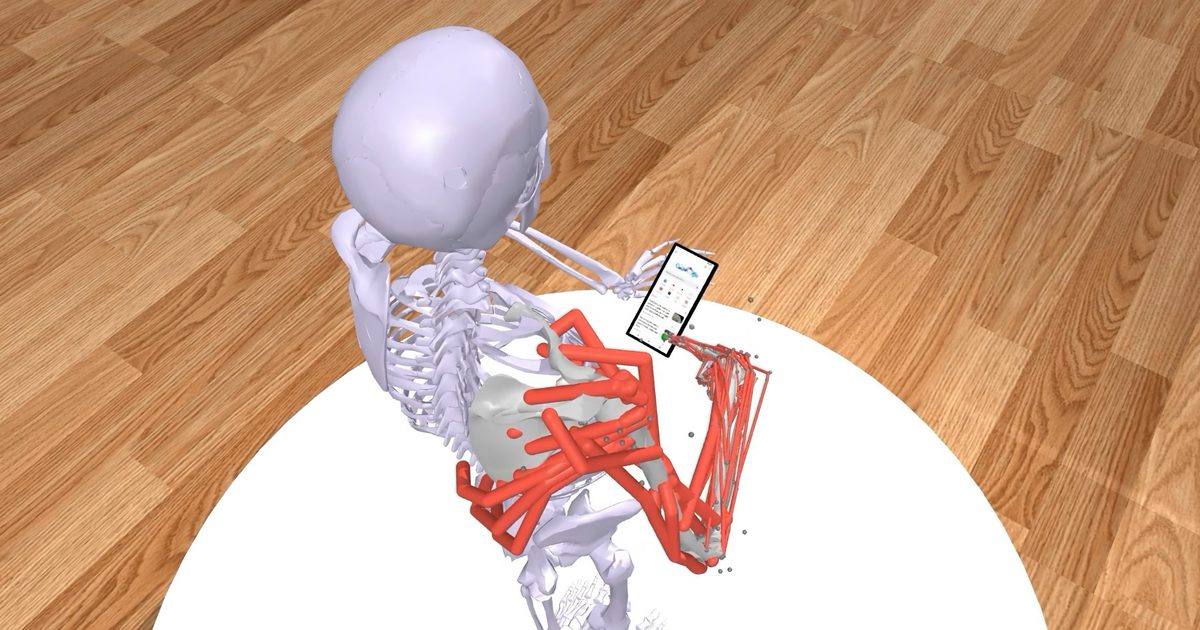
We all know staring at your phone for hours isn’t great for mental health. But what about your fingers? Previously, researchers couldn’t measure this. A new AI model, Log2Motion, from Aalto and Leipzig Universities, now changes that.
The model converts smartphone logs into simulated human movement, like a digital skeleton moving its finger across a phone screen, mirroring real users.
Through a software emulator, it can even use real apps in real time, mimicking logged interactions to study what’s physically happening during each swipe, tap, and scroll.
Is scrolling affecting our health?
Yes, as reported by researchers, scrolling adversely affects your health. They found that not all gestures are equally easy to perform. Up-down and down-up swipes require more effort than other movements. This is what most of us in today’s short-form content world, so if you needed any more confirmation to stop using apps like Instagram and TikTok, here it is.

Researchers also found that tapping small icons and reaching toward the corners of the screen also demands additional physical exertion from your finger. These might sound like minor inconveniences, but multiply that effort across hundreds of interactions a day, and it starts to add up.
Why does this actually matter for you?
Right now, this research benefits designers more than it does regular users. Until Log2Motion came along, smartphone interaction logs only recorded where a finger touched the screen, with no insight into whether that interaction felt comfortable or physically demanding.

Designers can now use this simulation early in the development process to build interfaces that are less tiring to use. The implications for accessibility are also significant. The model can be adapted to simulate how users with tremors, reduced strength, or prosthetics interact with their phones, helping developers build experiences that work better for everyone.
The researchers also say the model can be scaled to simulate other common scenarios, such as lying on a couch and scrolling with one hand. That one feels a little too relatable.
Your phone might not be as passive a device as you thought. Every swipe takes something out of you, even if it’s just a little.
