


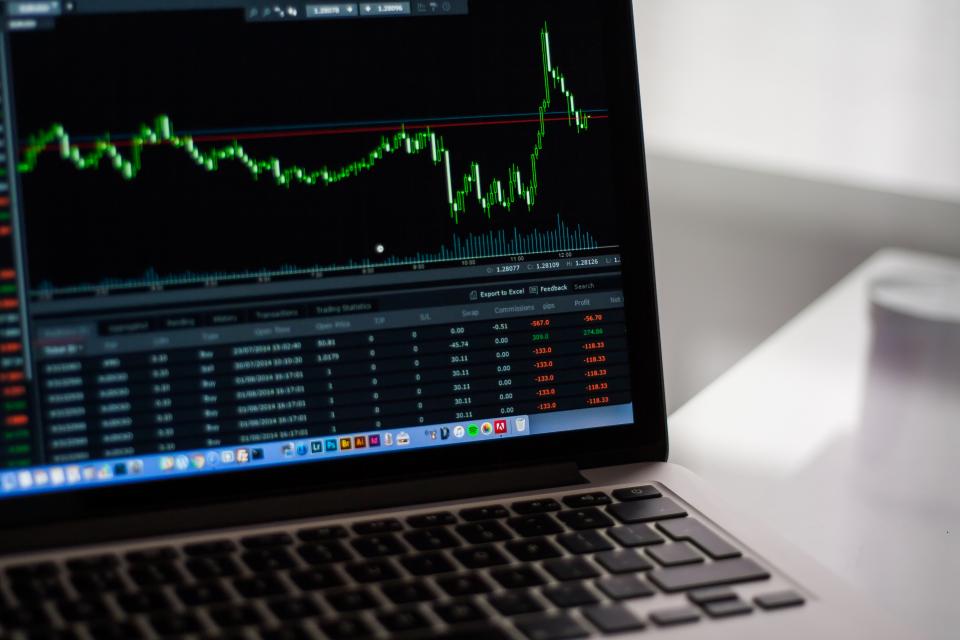
Quick answer: The global gold price trend reflects changes in global interest rates, inflation, central bank buying, and investor demand during economic uncertainty. You can track these movements through real-time spot market charts, financial news feeds, and official commodity exchange updates. Major drivers like Federal Reserve policy decisions and global currency shifts will continue to direct price movements through 2026 and beyond.
What is driving the gold price trend today?
Gold prices move when large market forces shift how investors view safety and risk. Central bank policies play the biggest role in setting the primary market direction. When major institutions like the U.S. Federal Reserve adjust interest rates, they change the return on cash and government bonds.
High interest rates make cash assets earn reliable yield. Since gold pays no interest, higher bond yields can prompt investors to reduce their bullion holdings. Conversely, when central banks lower borrowing costs or fight economic stagnation, precious metals gain strong appeal.
Inflation also acts as a primary catalyst for price changes. Paper money loses purchasing power when living costs jump quickly. Because governments cannot print physical metal, bullion historically holds its real purchasing value over long horizons.
Geopolitical events and economic anxiety create sudden buying waves. During international conflicts or global banking turbulence, institutions move capital into physical assets. Massive gold purchases by central banks in emerging markets also provide a durable floor under global market valuations.
How to track daily gold market changes
Monitoring market movements requires watching a few key benchmarks across international trading sessions. The spot price represents the current rate for immediate delivery of refined metal. Commercial exchanges in London, New York, and Shanghai set these benchmarks throughout every trading day.
Retail investors can follow prices through financial portals, brokerage apps, and market reporting services. Seeing how price changes connect to economic reports helps you spot broader market patterns. Here are four primary tools every investor can use to follow price shifts:
- Live spot price charts: These interactive tools display real-time bid and ask prices per troy ounce or gram across major fiat currencies.
- Economic calendar trackers: Watching scheduled updates on inflation metrics and central bank rate decisions helps anticipate sharp price swings.
- Central bank reserve reports: Official data releases from the World Gold Council track quarterly purchases by global monetary authorities.
- Precious metal market apps: Mobile trading dashboards deliver instant price alerts and daily spot rate updates directly to your phone.
You should also compare physical ownership costs against lower fee alternatives. For example, investors evaluating modern investment channels often look at digital gold options in the UAE to build flexible positions with small starting amounts.
Comparing methods to invest in gold
Different gold investment methods offer unique balances of liquidity, security, and holding fees. Physical coins and bars give you full personal custody, but require safe storage and insurance. Paper products and digital formats eliminate storage headaches, yet rely on third-party managers.
Choosing the right format depends heavily on your timeline and risk appetite. When making your choice, review physical bullion versus paper gold ETFs to see which vehicle aligns best with your financial goals.
| Investment Method | Storage Requirement | Liquidity Level | Typical Costs |
|---|---|---|---|
| Physical Bullion (Coins/Bars) | Home safe or bank vault | Moderate | Dealer markup and insurance fees |
| Gold ETFs | Brokerage account | Very High | Annual management fee ratios |
| Digital Gold | Mobile platform app | High | Spread fees and minor vault charges |
| Mining Stocks | Brokerage account | High | Trading commissions and fund fees |
Each option reacts to market shifts in a slightly different manner. Physical bullion tracks the immediate spot price closely, while mining stocks also depend on corporate management and operating expenses.
Key factors shaping the gold market outlook
Predicting where market prices go requires evaluating long term macroeconomic indicators. Energy costs, wage growth figures, and global trade volumes impact broader inflation trends. When inflation stays sticky above target levels, market interest in hard assets generally strengthens.
Currency fluctuations represent another massive variable in global pricing. Because global bullion trades primarily in U.S. dollars, a weaker dollar makes metal cheaper for international buyers using local currencies. This relationship frequently triggers increased retail purchasing across Asia and the Middle East.
Market analysts also closely track institutional sentiment and ETF flow data. According to financial industry surveys and market data, fund inflows usually surge during periods of economic instability. Large institutional reallocations can sustain upward price momentum for several consecutive quarters.
Supply constraints from major gold mining operations also influence long term valuations. Mine production remains relatively stable year after year because developing new gold deposits takes many years. When global demand outpaces recycled scrap supply, market prices naturally adjust upward.
Is gold a smart choice for your portfolio?
Precious metals historically serve as an effective tool for wealth preservation and portfolio diversification. Most financial advisers suggest allocating a small percentage of your overall wealth to non-correlated assets. That strategy helps cushion your broader net worth against sudden stock market declines.
However, gold does not generate monthly dividend income or cash yield like bonds or dividend stocks. Investors should consider their liquidity needs and long term growth objectives before making large allocations. Holding a balanced mix of growth investments alongside safe assets remains a sensible approach.
By learning what drives price movements, you can make disciplined investment decisions instead of reacting to daily market panic. Staying informed through reliable tools keeps your long term wealth strategy on track.
Frequently asked questions
What is the main driver of the gold price trend?
Central bank interest rates and inflation figures are the largest drivers of gold prices. When interest rates drop or inflation rises, investor demand for gold typically grows.
How often does the spot price of gold change?
The spot price updates continuously throughout the trading week across major international exchanges. Live market platforms reflect price movements second by second.
Does buying physical gold offer better protection than ETFs?
Physical gold removes third-party counterparty risk because you hold the metal directly. However, gold ETFs offer higher trading liquidity and lower ongoing storage hassles.
Why do central banks purchase large amounts of gold?
Central banks buy gold to diversify their foreign currency reserves and protect national wealth against inflation. Holding physical bullion reduces reliance on paper currencies during economic instability.
This article provides general information only and does not constitute financial, legal, or investment advice.
